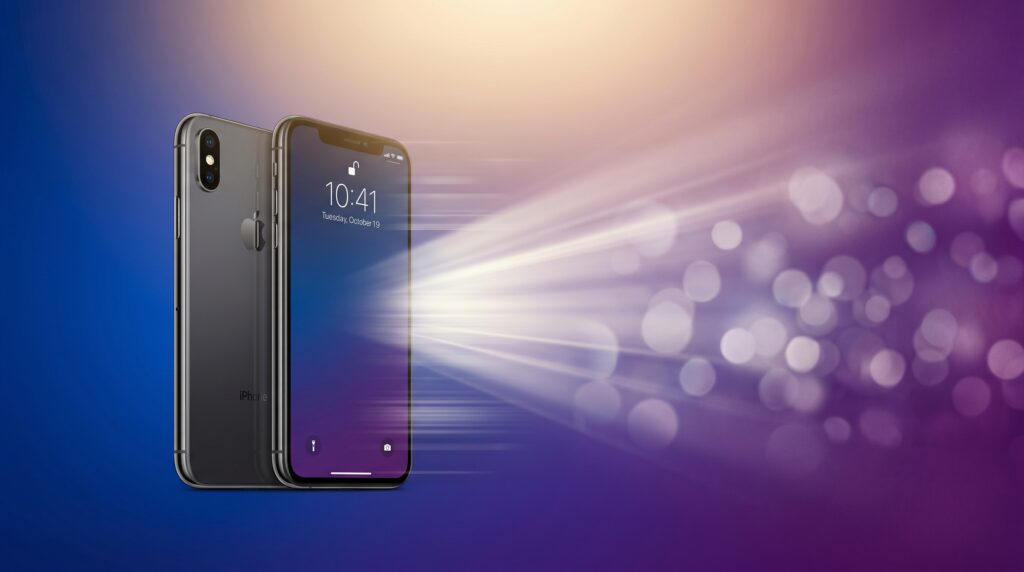
If you want to turn any product image into a cinematic AI video, the biggest mistake is asking the model to “make it cinematic” and hoping for the best. Product image-to-video works best when you treat the image like a locked first frame and give the model a small, specific motion brief.
This guide is for ecommerce brands, founders, creators, SaaS teams, app makers, agencies, and marketers who want product videos, cinematic product ads, app hero clips, Shorts, Reels, launch assets, or B-roll from one strong image. The goal is not just a cool AI clip. The goal is a usable video where the product still looks like the real product.
If you are searching for a product photo to video workflow, think of this as the practical version: start with the photo, protect the brand details, add controlled motion, then finish the ad or launch clip in an editor.
Continue through Kingy’s AI Video Production hub for the wider workflow from shot planning and prompting to tools, commercial examples and launch changes.
TL;DR
- Start with a clean product image that already looks close to the final shot you want.
- Use image-to-video for product consistency, then prompt mostly for motion, camera, lighting, and atmosphere.
- Tell the model what must stay unchanged: shape, logo, label, color, material, screen layout, package design, and product proportions.
- Pick one safe motion idea per generation: slow push-in, subtle orbit, light sweep, parallax, steam, reflection movement, hand-held UGC move, or locked-off product action.
- Add exact publishing specs: duration, aspect ratio, platform, and whether the clip should be seamless or a single continuous shot.
- Add overlays, captions, exact claims, legal copy, and readable product text later in an editor when precision matters.
- Use the Kingy AI Video Prompt Generator to create safer image-to-video versions fast.
The quick workflow
- Choose the product image. Use a sharp image with one clear hero product, visible edges, clean lighting, and no confusing background clutter.
- Identify what must stay fixed. Write down the logo, label, product shape, material, colors, screen layout, proportions, and brand elements that cannot change.
- Pick one motion idea. Do not combine a full rotation, splash, exploding background, hand interaction, and camera whip in the same first prompt.
- Generate variations. Run 3 to 6 versions with the same image and small motion changes. Do not judge from one unlucky render.
- QA the result. Pause on the first frame, middle frame, and final frame. Check the product, logo, text, reflections, background, and motion.
- Edit overlays externally. Add captions, CTA text, prices, disclaimers, and exact claims in CapCut, Premiere, DaVinci Resolve, Canva, or your ad editor.
Why product image-to-video prompts need guardrails
Product image-to-video is powerful because the uploaded image gives the model a visual anchor. It can preserve composition, product shape, lighting style, and overall look better than a text-only prompt. It is also risky because video models may alter labels, invent reflections, change typography, make screens unreadable, or reshape a product as the shot moves.
The safer workflow is simple: choose a strong image, describe only the important visible product facts, add one motion idea, add one camera move, define the lighting, and repeat preservation rules. If exact text matters, add it later as an overlay instead of asking the video model to render it perfectly.
Product image quality checklist
| Check | What good looks like | Why it matters |
|---|---|---|
| Resolution | Use the highest clean image you have, ideally large enough to crop for 16:9, 9:16, or 1:1. | Low-res labels, edges, and textures often get worse once motion is added. |
| Lighting | Clear light direction, no muddy shadows, no blown-out highlights. | The model extends existing light cues into the video. |
| Reflections | Glass, metal, liquid, and glossy packaging should have believable highlights already. | Reflective products need explicit light direction to avoid strange surfaces. |
| Labels and logos | Logo and main label are readable in the first frame. | If the source text is small or fuzzy, the video will usually not fix it. |
| Product geometry | The whole shape is visible enough for the requested motion. | Do not ask for a full 360-degree orbit if the back or side is unknown. |
| Background | Clean studio surface, simple lifestyle scene, or intentional environment. | Busy backgrounds can drift, grow extra objects, or steal attention. |
| Cutout vs lifestyle | Use a cutout for clean ecommerce/PDP motion; use lifestyle for UGC, food, fashion, or founder-led ads. | The source image should match the final use case. |
| Human hands or faces | Use only owned/authorized content and keep motion subtle. | Hands and faces amplify artifacts and consent concerns. |
The product image-to-video prompt anatomy
A good prompt does not need to be long. It needs to be specific about the parts that affect motion, brand safety, and final use.
Master formula
Use the uploaded image as the first frame.
Preserve: [product shape, logo, label, colors, material, layout, proportions].
Motion: [one subject or environment motion].
Camera: [one camera move, speed, framing].
Lighting: [direction, mood, reflections].
Scene: [studio/lifestyle/background details].
Specs: [duration, aspect ratio, platform, continuous shot/loop].
Avoid: [warped logo, changed label, extra product, unreadable text, flicker, bad reflections].
Safer formula for real branded products
Use the reference image as the first frame. Keep the real product unchanged: exact silhouette, logo placement, label layout, product color, material finish, and package proportions. Add only subtle cinematic motion: [camera move] and [lighting or atmosphere motion]. No redesign, no new text, no extra products, no changed brand marks. [duration], [aspect ratio], single continuous shot.Motion-first formula
The camera [slowly pushes in / gently orbits / remains locked off] as [light / steam / mist / reflections / UI highlights] moves subtly around the product. Preserve the product exactly from the uploaded image. [style], [lighting], [duration], [aspect ratio].Shot-type library with copyable examples
| Shot type | Use it for | Copyable prompt starter |
|---|---|---|
| Macro push-in | Beauty, jewelry, watches, texture, premium details | Use the product image as the first frame. Preserve the product exactly. Add a slow macro push-in with shallow depth of field and a soft rim light moving across the surface. |
| Slow orbit | Bottles, devices, packaging, hero shots | Keep the product centered and unchanged. Add a slow 20- to 45-degree camera orbit, not a full rotation. Soft studio reflections, premium commercial style. |
| Light sweep | Metal, glass, matte bottles, luxury packaging | Preserve the product shape, label, logo, and color. Add a clean light sweep from left to right across the product surface. Camera remains nearly still. |
| Packaging reveal | Boxes, supplements, cosmetics, electronics | Use the package image as reference. Preserve box shape, typography placement, logo, colors, and proportions. Add a slow pull-back reveal with soft studio shadows. |
| Tabletop hero shot | Food, beverages, accessories, small products | Keep the product fixed on the tabletop. Add a slow slider move across the front edge with subtle background depth and gentle shadow movement. |
| Water or liquid splash | Drinks, skincare, fragrance, sports products | Preserve the product exactly. Add controlled water droplets or liquid motion around the product, not covering the label. Backlit highlights, crisp commercial style. |
| Cosmetic smear or texture | Makeup, creams, skincare texture clips | Keep the product packaging unchanged. Add a nearby cosmetic texture smear catching soft light while the camera slowly pushes in. Do not alter the label. |
| Sneaker or fashion detail | Shoes, bags, apparel, accessories | Preserve the product material, stitching, logo, and color. Add a slow low-angle push past the product with subtle fabric movement and clean editorial lighting. |
| Jewelry or watch reflection | Watches, rings, eyewear, premium accessories | Keep the product geometry and logo unchanged. Add a controlled specular highlight moving across the metal and glass. Camera moves very slowly. |
| App screenshot hero | SaaS landing pages, app launches, software demos | Use the uploaded app screenshot as the reference. Preserve the interface layout, cards, colors, and main labels. Add a slow push-in and subtle UI highlight motion. |
| SaaS dashboard parallax | Analytics, AI apps, dashboards, B2B demos | Preserve the dashboard layout. Add gentle parallax between interface panels and soft depth behind the screen. Do not invent new UI sections. |
| Food steam shot | Coffee, tea, meals, bakery, restaurant ads | Keep the product and plate/cup unchanged. Add realistic steam rising slowly and a gentle camera push-in. Warm natural light, appetizing commercial style. |
| UGC handheld product moment | TikTok, Reels, creator ads, informal launches | Use the product image as the visual anchor. Preserve the product exactly. Add subtle handheld camera motion and natural room light. Keep motion believable and not overproduced. |
| Amazon/PDP-safe clean version | Listing videos, marketplace assets, clean ecommerce | Preserve the product exactly on a clean neutral background. Add minimal shadow movement and a very slow push-in. No extra props, no text, no logo changes. |
Techniques that make product videos look better
1. Controlled motion beats dramatic transformation
For product videos, ask for a small evolution of the image instead of a complete scene change. “Light sweeps across the bottle” is safer than “the bottle transforms into a futuristic spaceship commercial.” Dramatic transformation is fun, but it often breaks brand accuracy.
2. Watch for implied motion in the image
If the product image already has motion blur, dust, splashing liquid, a hand mid-action, or diagonal speed lines, the model may follow those cues. If you want a calm product shot, start from a calmer source image or ask for a locked, continuous shot.
3. Use parallax for screens and dashboards
For app screenshots and SaaS dashboards, preserve layout first. Then add subtle parallax, soft UI highlights, and a slow push-in. Do not ask the model to create new buttons, new charts, or new text unless you are fine with invented UI.
4. Keep camera speed slow
Fast camera moves create more opportunities for warped logos, flicker, and product drift. Product videos usually look more expensive with a slow push, gentle orbit, slider move, or locked-off camera with moving light.
5. Give environmental motion a job
Steam, mist, dust, water droplets, fabric movement, light leaks, and background blur can make a still product feel cinematic. Keep that motion outside the label area unless the label is not important.
6. Define lighting direction for reflective materials
Glass, chrome, watches, jewelry, glossy packaging, liquid, and screens need lighting instructions. Say where the light comes from and what it touches: “soft backlight passing through the amber liquid,” “thin rim light along the bottle edge,” or “white studio reflection across the watch glass.”
7. Match the prompt to the material
- Glass: ask for clean refraction, controlled highlights, no label warping.
- Metal: ask for a slow specular highlight, not chaotic reflections.
- Matte packaging: ask for soft shadows and a gentle light sweep.
- Fabric: ask for light fabric movement and preserved stitching or logo placement.
- Food: ask for steam, gloss, crumbs, or sauce movement, but keep the dish shape stable.
- Software UI: ask for subtle highlights and parallax, not new interface content.
8. Build multi-clip sequences from safe shots
Instead of asking for a 20-second commercial in one prompt, create 3 to 5 short clips: hero product, macro detail, lifestyle use, benefit visual, final pack shot. This gives you more control and makes editing easier.
9. Use last-frame continuation carefully
Some tools let you use the last frame of a generation as the next input. That can extend a product video, but always inspect the final frame first. If the logo or shape has already drifted, continuing from that frame locks in the problem.
10. Avoid full 360-degree rotation unless the product is fully known
A single front-facing image does not show the back, sides, bottom, or hidden label details. A full orbit forces the model to invent those surfaces. For real products, a 20- to 45-degree orbit is usually safer than a full spin.
Platform-aware prompting notes
| Tool/docs | What the official guidance implies | How to adapt it for product images |
|---|---|---|
| Runway image-to-video guide | Runway says the image defines composition, subject, lighting, and style, while the text prompt should focus on motion, camera work, and temporal progression. | Do not re-describe the whole product. Use the prompt to direct camera motion, product action, environmental motion, timing, and what must remain stable. |
| Kling image-to-video guide | Kling emphasizes a “Subject + Movement” formula and says image-to-video already provides the scene. | Name the product as the subject and give it one plausible movement or no movement while the camera/light/environment moves. |
| Google DeepMind Veo prompt guide | Veo guidance points to shot framing, motion, style, lighting, location, action, dialogue, and sound/audio direction as controllable prompt elements. | Use Veo-style detail for commercial direction: frame, camera, style, lighting, material behavior, product action, and optional sound cues like fizz, pour, click, or soft room tone. |
| OpenAI Sora help and Sora API docs | OpenAI documents image/video uploads, variations, storyboard/re-cut/remix/blend/loop style iteration in the Sora web experience, and image-guided video generation in developer docs. OpenAI also says uploaded content must be owned or properly authorized. | Use Sora-style iteration for alternate takes, loops, and edits, but only upload product, people, brand, and client media when you have the rights and consent. |
| Luma video generation docs and Luma prompting guide | Luma documents image-to-video with start frames and encourages clear prompt anatomy, reference roles, direct edits, and structured prompts. | Use start-frame product shots, label reference roles when using multiple images, and keep fix prompts surgical: change one thing while preserving everything else. |
Failure and fix table
| Problem | Likely cause | Fix prompt or workflow |
|---|---|---|
| Warped logo | Motion too fast, label too small, or camera rotates too far. | Use a slower push-in or locked camera. Add: logo placement remains fixed and readable; no logo morphing. |
| Unreadable text | Text is small in the source or the model tries to animate it. | Add important text later as an overlay. Prompt: do not create or change any text. |
| Changed product shape | Transformation prompt or full orbit forces invention. | Add: exact silhouette and proportions remain unchanged from first frame to final frame. |
| Extra objects appear | Prompt asks for vague “premium set” or busy lifestyle scene. | Use: single product only, no duplicate products, no new props unless already visible. |
| Bad reflections | Reflective material lacks lighting direction. | Specify: single softbox reflection moving slowly across the surface; clean controlled highlights. |
| Flicker | Too much motion, too many details, or unstable background. | Simplify prompt, reduce camera movement, ask for single continuous shot, stable exposure, no flicker. |
| Frozen image | Prompt does not tell anything to move. | Add one motion component: camera, product action, light sweep, steam, particles, or background motion. |
| Overactive motion | Prompt stacks camera, product, background, and effects. | Remove two motion ideas. Use one camera move plus one small environmental motion. |
| Background drift | Busy background or vague scene change. | Use cleaner image or add: background remains minimal and stable; no scene cuts. |
| Melted UI | App screenshot text and cards are too small or motion is too aggressive. | Ask for subtle parallax only. Do not ask the model to create new UI labels or charts. |
| Wrong aspect ratio | Image shape and platform output conflict. | Crop the source first or state: 9:16 vertical video for Reels/TikTok with product centered and safe margins. |
Copyable product image-to-video prompts
Beauty, skincare, fragrance, and cosmetics
Use the uploaded skincare bottle image as the first frame. Preserve the bottle shape, cap, label placement, logo, black material, and gold accent color exactly. Add a slow macro push-in while a soft rim light moves across the curved surface. Premium luxury commercial, dark clean background, shallow depth of field, 8 seconds, 9:16. Avoid warped label, changed logo, extra bottles, flicker, and bad reflections.Use the fragrance bottle image as reference. Keep the glass bottle, liquid color, cap shape, label, and logo unchanged. Add a controlled backlight passing through the liquid and a slow 30-degree orbit. Elegant cinematic perfume ad, subtle mist behind the bottle, 6 seconds, 1:1. No new text, no changed brand marks, no full rotation.Use the cosmetic tube and cream texture image as the first frame. Preserve the tube label, color, logo, cap, and proportions. Add a gentle camera push-in while the cream texture beside it catches soft light. Clean beauty campaign style, bright studio background, 7 seconds, 9:16. Avoid smeared label, duplicate tubes, and text changes.Packaging, ecommerce, and marketplace product videos
Use the product box image as the first frame. Preserve box shape, typography placement, logo, color palette, and package proportions. Add a slow pull-back reveal from close detail to full package. Soft studio lighting, clean shadow movement, premium ecommerce video, 8 seconds, 16:9. No misspelled text, no changed label, no crushed box shape.Use the product cutout image as the reference. Keep the single product centered on a clean neutral background. Add a very slow push-in and subtle shadow movement only. Amazon/PDP-safe product video, crisp edges, no props, no captions, no extra products, 5 seconds, 1:1. Preserve exact product color and silhouette.Use the supplement bottle image as the first frame. Preserve bottle shape, cap, label layout, logo, ingredient panel placement, and brand colors. Add a gentle turntable-style 25-degree orbit and soft overhead light. Clean health product commercial, 8 seconds, 9:16. Avoid unreadable label, fake claims, duplicate bottles, and full 360-degree spin.Fashion, sneakers, jewelry, and accessories
Use the sneaker image as the first frame. Preserve shoe color, logo placement, sole shape, stitching, and material texture. Add a low-angle slider move from toe to heel with soft editorial lighting and subtle fabric movement in the background. Premium sneaker ad, 6 seconds, 9:16. No warped logo, no color change, no extra shoe.Use the watch product image as the reference. Keep case shape, dial markings, hands, strap material, and logo unchanged. Add a slow macro push-in as a thin specular highlight moves across the glass. Luxury watch commercial, black reflective surface, 5 seconds, 16:9. Avoid melted dial text and chaotic reflections.Use the handbag image as the first frame. Preserve bag silhouette, hardware, stitching, logo, strap position, and leather color. Add a gentle camera orbit with warm window light and minimal background motion. Editorial fashion product video, 8 seconds, 9:16. No redesign, no new logo, no extra straps.Food, beverage, restaurant, and CPG
Use the coffee cup image as the first frame. Preserve cup shape, logo placement, sleeve color, and tabletop composition. Add realistic steam rising slowly and a gentle push-in. Warm morning cafe lighting, soft background bokeh, 6 seconds, 9:16. Avoid changing the logo or adding unreadable text.Use the canned drink image as reference. Preserve can shape, label, logo, color, and readable brand area. Add cold condensation droplets forming slowly and a soft backlight reflection moving across the can. Crisp beverage commercial, 5 seconds, 1:1. No label warp, no extra cans, no fake splash covering the logo.Use the plated food image as the first frame. Keep the dish shape, plating, main ingredients, and table setting unchanged. Add subtle steam and a slow overhead-to-angled camera drift. Appetizing restaurant ad style, natural warm light, 7 seconds, 16:9. Avoid melting food shape or inventing extra ingredients.SaaS, apps, dashboards, and digital products
Use the uploaded app screenshot as the visual reference. Preserve interface layout, panel structure, colors, icons, and main labels. Add subtle UI highlight motion and a slow push-in camera move. Clean SaaS launch video, high-tech but readable, 8 seconds, 16:9. Do not invent new UI sections or fake buttons.Use the dashboard screenshot as the first frame. Preserve the charts, cards, sidebar, colors, and visible layout. Add gentle parallax between the screen layers with soft depth behind the monitor. Modern B2B product hero, 10 seconds, 16:9. Avoid unreadable UI, warped text, extra panels, and flicker.Use the mobile app screen image as reference. Keep the screen layout, main card positions, button shapes, and color system unchanged. Add a slow vertical phone hero move with subtle glow around the key feature card. Clean app-store preview style, 6 seconds, 9:16. No fake screens, no new labels, no melted text.UGC, social ads, and creator-style product clips
Use the product-in-hand image as the first frame. Preserve the real product, label, hand position, logo, and room lighting. Add subtle handheld camera motion and natural depth shift, as if filmed on a phone. Authentic UGC product ad style, 7 seconds, 9:16. No new hands, no changed label, no overproduced studio lighting.Use the product-on-desk image as reference. Keep product shape, label, desk layout, and background objects unchanged. Add a casual handheld push-in with soft afternoon light and slight natural camera shake. Creator desk setup video, 8 seconds, 9:16. Avoid duplicate objects and unreadable text.Use the product lifestyle image as the first frame. Preserve the product exactly and keep it the focal point. Add one simple action: light breeze moves background fabric while the camera slowly pushes in. Natural social ad style, soft real-world lighting, 6 seconds, 1:1. No scene cuts, no extra products, no logo changes.How to turn one product image into a 5-shot mini commercial
One image can become a short campaign if you create a controlled shot list instead of one overloaded prompt.
- Shot 1: Clean hero. Slow push-in on the product, no effects.
- Shot 2: Material detail. Macro texture, reflection, stitch, liquid, screen, or packaging detail.
- Shot 3: Environment. Steam, mist, table light, desk setup, fabric movement, or lifestyle context.
- Shot 4: Benefit visual. App highlight, product use cue, condensation, pour, glow, or organized workspace.
- Shot 5: Final pack shot. Locked-off product with clean background and room for a CTA overlay.
Export each clip, choose the cleanest takes, then add captions, music, sound effects, CTA, and any exact offer language in an editor.
QA checklist before publishing
- Pause on the first, middle, and final frame. Does the product still match the source image?
- Check logo placement, label layout, typography, product color, material, and silhouette.
- Check for duplicate products, extra props, strange reflections, or background drift.
- Check whether the motion fits the platform: 9:16 for Shorts/Reels/TikTok, 16:9 for YouTube/landing pages, 1:1 for feeds and some marketplace use.
- Check that any claim, price, feature, or CTA added in editing is accurate and approved.
- Check that the product image, people, brand assets, music, and voiceover are owned, licensed, or authorized for the intended use.
- Generate a safer backup version with less motion before publishing a dramatic version.
Use the Kingy AI Video Prompt Generator
Want to turn one product idea into multiple prompt versions faster? Use the Kingy AI Video Prompt Generator to create short, detailed, image-to-video, camera direction, Shorts, product commercial, and safer prompt versions.
For AI companies and founders
Launching an AI video tool, creator app, model, workflow, or agent product? Kingy AI helps AI companies reach creators, founders, marketers, and AI tool buyers with practical launch coverage and creator-first education. Product image-to-video is a perfect example of where clear education matters: creators need examples, guardrails, workflows, and honest expectations before they trust a tool in a real campaign.
Related AI video tools
Want to move from article examples into working prompt assets? Use the Kingy AI video tool hub:
- AI Video Prompt Generator
- AI Video Prompt Examples Library
- AI Video Script Generator
- Image-to-Video Shot List Generator
- YouTube Shorts Hook Generator
- AI Product Commercial Prompt Generator
FAQ
Can AI video tools perfectly preserve a product image?
Not always. Image-to-video prompts help because the image anchors the shot, but logos, small text, labels, and reflective surfaces still need manual review. Treat every generation as a draft until you inspect it frame by frame.
What is the safest camera move for product image-to-video?
A slow push-in, subtle 20- to 45-degree orbit, gentle slider move, locked-off shot, or light sweep is usually safer than a fast zoom, whip pan, dramatic full spin, or complete transformation.
What is the best image type for a cinematic AI product video?
Use a sharp product image with one clear subject, clean light, visible product geometry, and a background that already matches the final goal. Use cutouts for clean ecommerce videos and lifestyle images for UGC or social ads.
How do I preserve logos and labels?
Make the logo readable in the source image, keep camera motion slow, avoid full rotations, and repeat preservation rules in the prompt: exact logo placement, exact label layout, no new text, no changed typography, no duplicate products.
Should I use negative prompts?
If the tool supports negative prompts, use them for common failure modes such as warped logo, changed product shape, unreadable text, flicker, bad reflections, duplicate product, extra objects, and low resolution. If the tool does not support negative prompts, write positive constraints instead: single product only, stable logo, clean reflections, continuous shot.
Which aspect ratio should I choose?
Use 9:16 for TikTok, Reels, and YouTube Shorts; 16:9 for YouTube, landing pages, product demos, and hero videos; and 1:1 for square feed posts or simple product loops. Crop the source image before generation when the product needs safe margins.
How many variations should I generate?
For a real product, start with 3 to 6 variations of the same safe prompt. Pick the cleanest take, then iterate one variable at a time: camera speed, lighting, background motion, or aspect ratio.
Should I add on-screen text inside the AI video prompt?
Use little or no on-screen text in the generation prompt. Add exact headlines, prices, coupon codes, CTAs, legal disclaimers, and product claims later in a video editor where the text will be crisp and controllable.
Can I use a competitor product image or someone else’s photo?
Do not upload product images, people, logos, packaging, or client assets unless you own them, have permission, or have the rights needed for the intended use. This is especially important for commercial ads and videos featuring people.
Why does the product change halfway through the clip?
The prompt is probably asking for too much motion or too much invention. Shorten the clip, reduce camera movement, remove transformation language, and add fixed-product rules: exact silhouette, exact logo placement, exact color, exact material, no redesign.
Sources checked
Last checked: June 6, 2026.
- Runway image-to-video prompting guide
- Google DeepMind Veo prompt guide
- Kling image-to-video guide
- OpenAI Sora help: Generating videos on Sora
- OpenAI Sora API video generation docs
- Luma video generation docs
- Luma prompting guide
Choose the next AI-video workflow
Keep this page’s exact job, then move to the adjacent prompt or production workflow that matches what you are making.
The Kingy Brief
Get the next Kingy Brief.
Source-checked AI changes, original tests and one practical thing to try.
Free · Choose your subjects · Double opt-in · Unsubscribe anytime