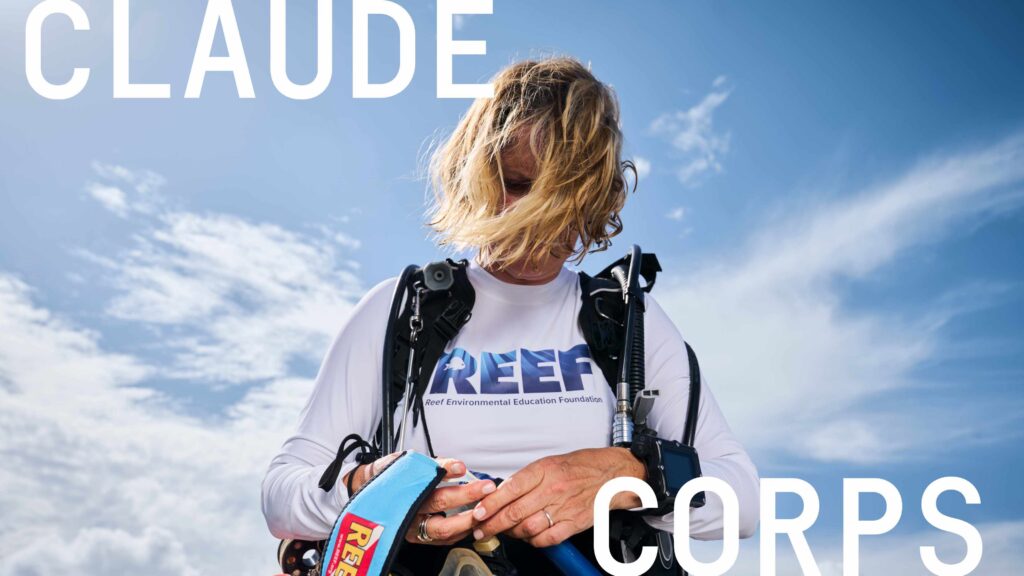
Claude Corps is a paid, 12-month fellowship that places early-career workers inside US nonprofits to build and deploy AI projects. Anthropic funds the program and provides Claude expertise; CodePath recruits, trains, and employs the fellows; Social Finance administers the philanthropic capital and leads measurement and evaluation.
The program is not a Claude subscription or a product trial. Applicants should judge it as a full-time job and training program, while host organizations should judge whether they have a well-scoped operational problem, responsible data access, and staff able to supervise the work.
Program size and schedule
Anthropic says the first cohort will place about 100 fellows with mission-driven organizations beginning October 19, 2026. The full program targets 1,000 fellows across three cohorts. Later cohorts are scheduled for January and August 2027.
The July 17 deadline for the first cohort has passed. Anthropic’s current fellows FAQ says applications remain open on a rolling basis for the January and August 2027 cohorts.
Eligibility
Fellow applicants must be at least 18, have less than two years of full-time work experience, already hold US work authorization that remains valid for the fellowship, and be willing to relocate if the host placement requires it. Anthropic says no college degree or formal coding background is required.
The program expects applicants to be comfortable using AI for research, writing, and basic code assistance, and to know when an AI answer needs verification. Applicants complete an initial form, two Anthropic AI-fluency courses, and short-answer questions. Candidates who advance complete a take-home assessment and interviews.
Pay, benefits, and support
Fellows are full-time CodePath employees. Anthropic lists an annual salary of $85,000, paid twice monthly, plus medical, dental, and vision insurance, a 401(k), paid holidays, flexible paid time off, life and disability insurance, and other employee benefits.
The program covers relocation support when required and starts with an in-person base camp in San Francisco. Each fellow also receives up to $2,500 in Claude API credits for approved host-organization projects. That credit is a project resource, not part of the fellow’s salary.
What fellows will work on
Claude Corps is aimed at nonprofits working in areas such as public health, housing, food security, education, workforce development, legal services, humanitarian assistance, and civic technology. Anthropic’s examples focus on operational work: improving intake, extracting useful information from data, and building tools that give staff more time for direct service.
The host organization directs day-to-day work. CodePath remains the employer of record, while Anthropic provides the Claude training and technical expertise.
Questions applicants and hosts should answer
- Is the project scoped tightly enough to complete and evaluate within one year?
- What sensitive data could the fellow or AI system access?
- Who approves deployment and remains accountable for decisions?
- How will the nonprofit measure whether the project saves time or improves service?
- What happens to the system, documentation, and maintenance work after the fellowship ends?
Kingy assessment
Claude Corps has unusually concrete public terms for an AI workforce program: duration, salary, benefits, eligibility, cohort dates, employer, training partners, and API support are documented. That makes it easier to evaluate than an announcement built around a broad promise.
The harder question is impact. The program should be judged by the quality and durability of the systems deployed at host organizations, the safeguards around sensitive work, and whether nonprofits can maintain the projects after each placement ends.
Primary sources
- Anthropic: Claude Corps announcement
- Anthropic: prospective fellows FAQ
- Anthropic: Claude Corps program page
See related adoption programs and product records in the Kingy AI Launch Tracker.
The Kingy Brief
Get the next Kingy Brief.
Source-checked AI changes, original tests and one practical thing to try.
Free · Choose your subjects · Double opt-in · Unsubscribe anytime