AI News
Is an Open-Source AI Ban Coming? The Real Risk Is Narrower—and More Plausible
No blanket open-source AI ban is imminent. The real risk is a capability-triggered restriction on frontier weights, with Chinese services targeted first.
No blanket open-source AI ban is imminent. The real risk is a capability-triggered restriction on frontier weights, with Chinese services targeted first.
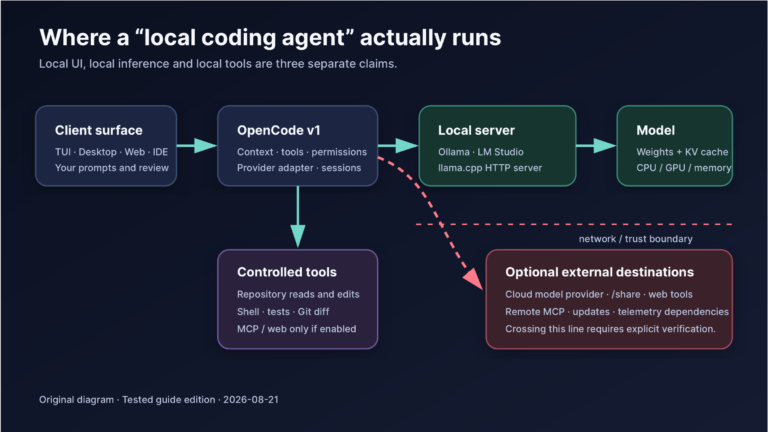
A tested OpenCode 1 and Ollama guide covering local-model setup, hardware, permissions, privacy verification, failure modes and local-versus-cloud benchmarking.
Harvey turned Kimi K3 into Tenet with legal environments, expert data and reinforcement learning. The results—and caveats—reshape the open-weight debate.
Z.ai confirmed Ox Alpha was GLM-5.3-Flash. See matched GLM-5.3 versus Flash API results, model IDs, pricing, benchmarks, weights and hardware.
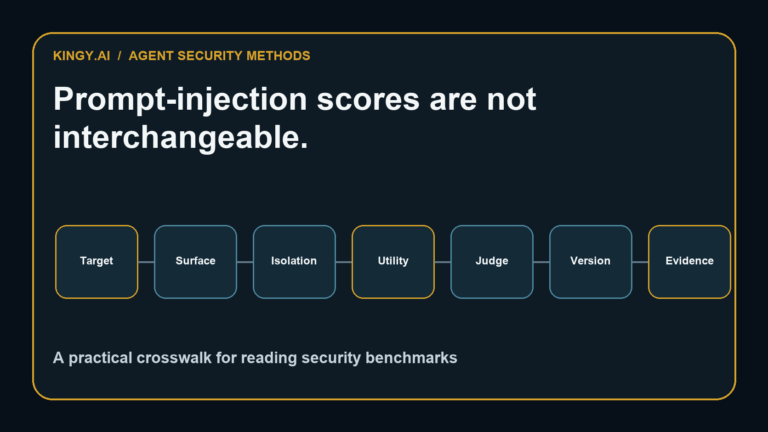
Seven prompt-injection benchmarks measure different targets. This crosswalk shows which scores can—and cannot—be compared.
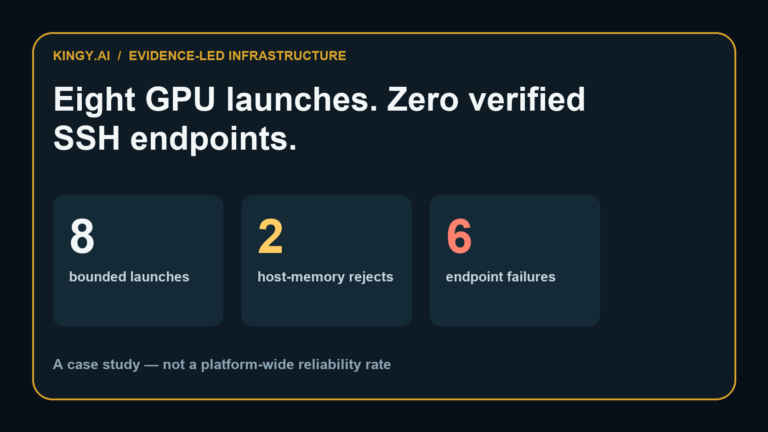
Eight bounded GPU launches never reached a verified SSH endpoint. Here are the exact readiness gates, sanitized evidence and safer workflow.
Qwen3.8 Max needs 397GB even at its smallest current quant. The official FP8 weights need a cluster; here are the exact sizes and GPU counts.
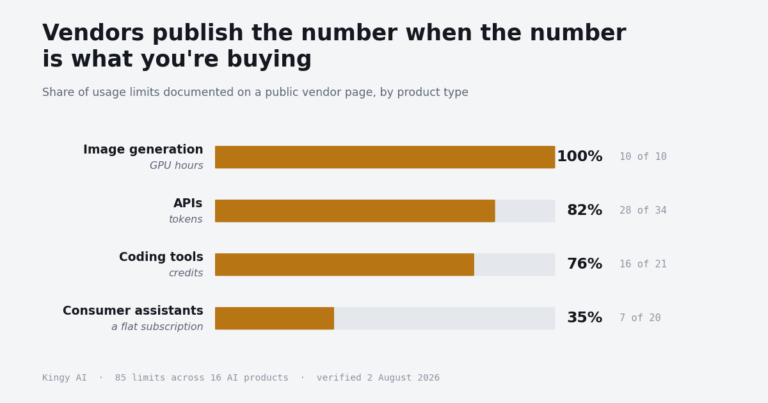
Codex users report unexpectedly fast quota depletion. We audited OpenAI records, community trackers, bug reports and local usage metadata to test whether limits were cut.
A practical enterprise RFP for comparing AI inference providers across security, residency, SLAs, capacity, cost, contracts, testing, and exit risk.
OpenAI and Anthropic are making opposite bets on whether frontier AI safety requires retaining customer prompts. Here is what ZDR actually protects.