Qwen3.8-27B Runs on a Laptop—But Here’s the Hardware You Actually Need
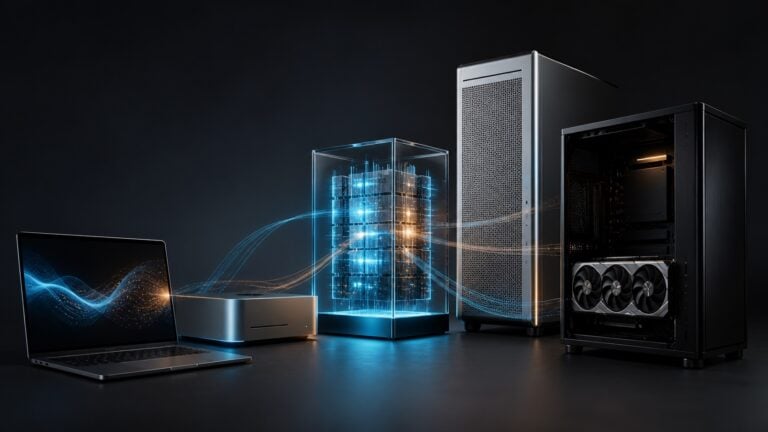
Yes, Qwen3.8-27B runs locally on a laptop—but 24GB is the fit-first minimum, 32–48GB is the practical sweet spot, and an RTX 5090 is the speed choice, not a requirement.

Qwen3.8-27B may be the new dense open-weight model to beat around 30 billion parameters. This evidence-led launch guide audits the benchmarks, calculates local-memory requirements and compares current open and frontier alternatives.
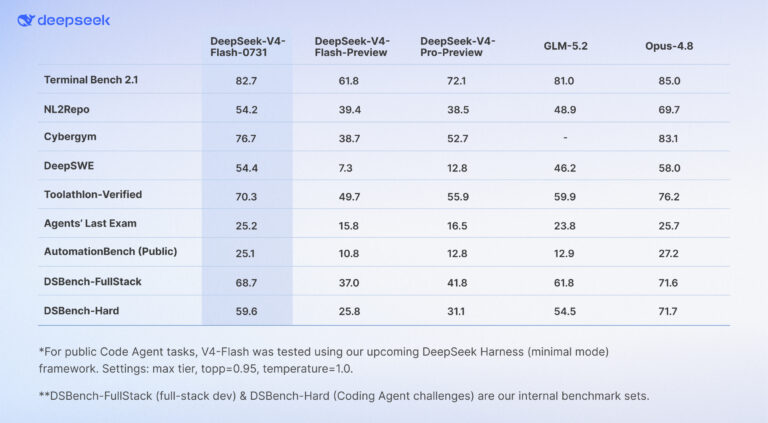
A Flash Update With a Naming Plot Twist DeepSeek has returned to a familiar trick: make capable artificial intelligence dramatically cheaper, then…
Alibaba’s Qwen3.8-Max combines 2.4T parameters, 95B active compute, one-million-token context and multimodal input at $2/$6. Here is what is confirmed, what Qwen claims and what independent evidence still needs to prove.
DeepSeek’s V4-Flash-0731 API beta adds native Responses API support for Codex and posts an 82.7 company-reported Terminal-Bench 2.1 score. Here’s what changed, what it costs and what remains unverified.
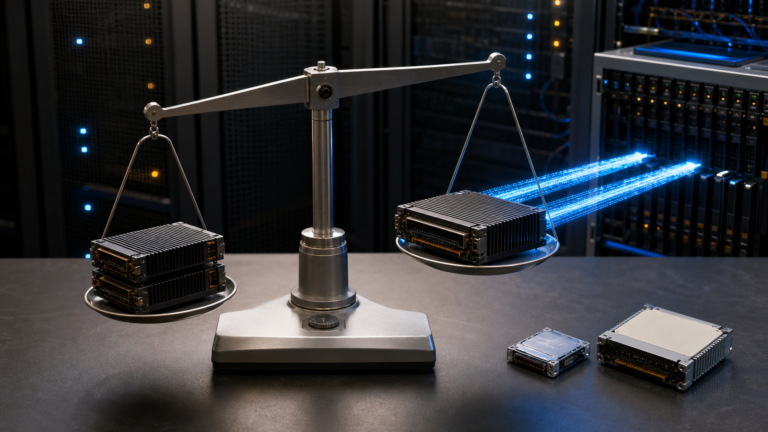
OpenAI cut GPT‑5.6 Luna’s API price by 80% and Terra’s by 20%, while offering Sol at up to 2.5× Standard processing speed…
A source-by-source comparison of Claude Opus 5 and GPT-5.6 Sol in Ultra mode, covering coding, reasoning, agents, verified benchmarks, context, price, speed, safety and the workloads each system actually fits.
Anthropic’s Claude Opus 5 brings near-Fable performance to the established Opus price tier. This source-led analysis covers its 1M-token context, $5/$25 pricing, effort controls, coding and agent benchmarks, safety system, and comparisons with frontier and open-weight models.
Claude Fable 5 and GPT-5.6 Sol are nearly tied on broad capability, but far apart on cost, agent design, safeguards and data policy. Here is the evidence-led comparison.
Muse Spark 1.1 is Meta's new multimodal agent model for tool use, coding, computer use, long-context work, and developer API workflows. Here are the benchmarks, specs, caveats, and real-world use cases.