The Rumor Mill Just Put on a Party Hat
Apple may be lining up one of its busiest hardware years in recent memory, and the timing would be deliciously convenient. The iPhone turns 20 in 2027, and multiple reports say Apple wants to mark the moment with more than a cake emoji and a moody product video.
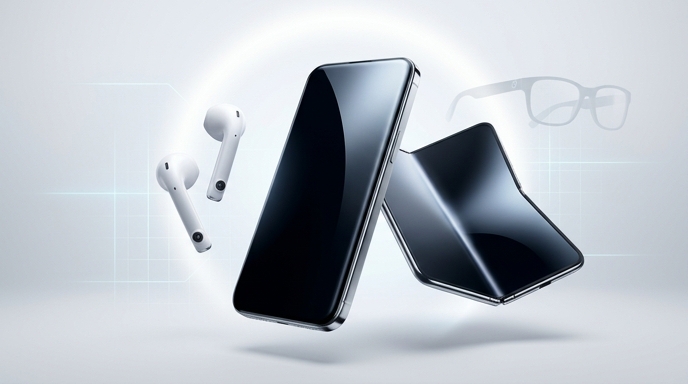
The core rumor, first attributed to Bloomberg’s Mark Gurman and covered by The Verge, AppleInsider, 9to5Mac, and Apple Day, centers on three big pieces of hardware: a 20th-anniversary iPhone, a second-generation foldable iPhone, and AirPods with built-in cameras.
That is a strange trio. One product sounds ceremonial. One sounds defensive. One sounds like Apple looked at AirPods and asked, “What if your ears could see?”
None of this is official. Apple has not announced these devices. The reports describe plans, testing, and target windows. Those can change. In Apple rumor land, “late 2027” means “somewhere between a polished keynote and a supply-chain shrug.”
Still, the pattern matters. These reports do not describe random gadgets. They describe Apple trying to connect the iPhone, wearables, AI, and future smart glasses into one bigger system.
The 20th-Anniversary iPhone Sounds Like Apple’s Next Showpiece
The original iPhone arrived in 2007. Apple marked the iPhone’s 10th anniversary with the iPhone X in 2017, which ditched the home button and pushed the modern all-screen design into the mainstream. So a dramatic 20th-anniversary model in 2027 would fit Apple’s old playbook.
According to the reports, Apple is working on anniversary iPhone models with a nearly edge-to-edge display and curved glass that wraps around the sides. 9to5Mac says the models are expected to come in sizes similar to the iPhone 18 Pro and iPhone 18 Pro Max.
That detail matters because Apple does not seem to be treating this as a cute collector’s edition. The rumor points to a flagship product, not a gold-plated nostalgia brick.
The Verge also notes internal code names V73 and V74 for the anniversary models.
The headline idea is simple: Apple may want the 2027 iPhone to look meaningfully new. Not “the camera bump moved three millimeters” new. Actual new.
The Foldable iPhone May Get a Sequel Fast
The second big claim is that Apple may launch a second-generation foldable iPhone in late 2027. That depends on another rumor: the first foldable iPhone is expected before then, with several reports pointing to a possible 2026 debut.
This is where the story gets interesting. Apple usually waits before entering a messy category. It watched smartwatches. It watched wireless earbuds. It watched tablets mature from weird couch computers into work machines. Then it entered with products that felt less experimental than the competition.
Foldables are still a compromise buffet. They offer bigger screens, but they can bring thicker bodies, higher prices, app-layout weirdness, crease anxiety, and battery trade-offs. The Verge’s Richard Lawler points to those compromises from the broader foldable market, noting that some apps still fail to use bigger screens well.
If Apple already plans a second version for 2027, that would suggest commitment. Not a tentative toe dip.
But AppleInsider is right to sound skeptical. A second foldable depends on the first one actually launching and landing well. If the first iPhone Fold slips, stumbles, or costs the GDP of a small island, the sequel timeline could move.
Camera-Equipped AirPods Are the Weirdest Piece
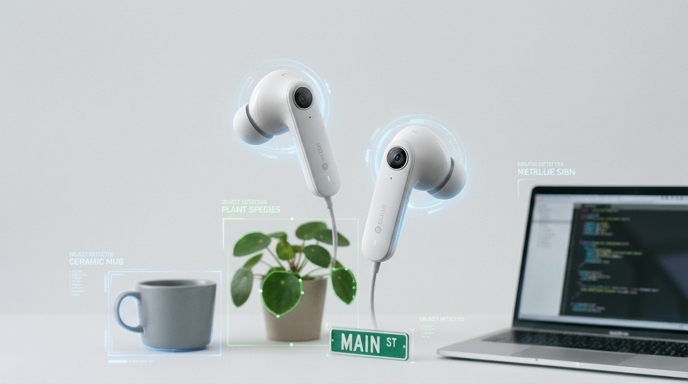
Now we reach the part of the rumor that sounds like someone lost a bet: AirPods with cameras.
The reports say Apple is developing AirPods with small cameras in their stems. These cameras would not exist so users can take vacation photos with their earlobes. The more plausible goal is visual intelligence. In plain English, the AirPods could help Siri understand what the user is looking at or what surrounds them.
The Verge says the cameras could give an upgraded Siri “visual context” before Apple eventually launches smart glasses. AppleInsider adds that the cameras would need to face forward to make sense. Otherwise, the user would have to remove an AirPod and point it around, which would make the whole idea worse than just using an iPhone.
9to5Mac reports that these AirPods carry the internal code name B798 and were originally planned for 2026. The timeline reportedly slipped because Apple needed stronger AI and visual-recognition models.
The concept sounds goofy until you connect it to Apple’s bigger wearable ambitions. AirPods already sit on your head. They already handle voice. Add cameras, AI, and location awareness, and they start to look like a bridge product between today’s earbuds and tomorrow’s smart glasses.
Siri Would Need to Grow Up Fast
The AirPods rumor only works if Siri becomes far more useful than the Siri many people know today. A camera on an earbud does not magically make AI helpful. It just gives the AI more information to misunderstand with confidence.
The suggested use case is visual assistance. A user might ask Siri what meal they can make based on the food in a refrigerator, or ask it to identify objects nearby. AppleInsider questions that fridge example because a person could simply tell Siri what is inside. Fair.
But the broader point stands. Visual AI could help with real-world context. It could identify products, signs, obstacles, outfits, documents, plants, tools, or landmarks. It could work with translation. It could support accessibility. It could help Apple build habits around voice-plus-vision before smart glasses arrive.
The challenge is trust. If earbuds observe the world, Apple needs clear signals when cameras activate. AppleInsider says the new report claims the AirPods would include lights that show when the cameras are active.
That is not just a privacy detail. It is a social survival feature. Nobody wants to sit across from a person wearing camera earbuds and wonder whether brunch has become surveillance tapas.
The Chip Roadmap Points to a Bigger Platform Shift
The rumored 2027 iPhones may also bring a major chip jump. 9to5Mac reports that the anniversary iPhones and second-generation foldable models would run on Apple’s A21 chip, built on a 2-nanometer process. The same report says Apple could move high-end iPhones to an A22 Pro chip using 1.4-nanometer production technology in 2028.
That matters because Apple’s AI ambitions need horsepower. Local AI features need fast chips, memory, thermal control, and battery efficiency. Cloud AI can do plenty, but Apple has spent years selling privacy and on-device intelligence as part of its identity.
A 2-nanometer chip would not automatically make Siri brilliant. Chips are not fairy dust. But better silicon gives Apple more room to run models locally, process visual information faster, and reduce latency.
The Verge also notes a possible production twist: Apple may consider using Intel for some production along with TSMC in future chip plans. That is a loaded detail, and not something to treat as final. But it shows how much pressure advanced chip manufacturing now places on every major hardware roadmap.
The Standard iPhone Timeline May Get Messier
The reports also suggest Apple’s iPhone release calendar may grow less tidy. The Verge says the standard iPhone 18 may not launch until 2027, while the iPhone 18 Pro and Pro Max are expected earlier. 9to5Mac similarly says the Pro models would arrive later this year, while the standard iPhone 18 would come in early 2027.
That sounds confusing because it is. Apple built years of consumer expectation around a fall iPhone rhythm.
But Apple has already experimented with splitting lineups and staggering products. A delayed standard model could let Apple push Pro hardware first, manage supply constraints, or stretch the iPhone news cycle across more months.
It could also annoy buyers. A split schedule makes the lineup harder to understand. People already need a corkboard and red string to compare Pro, Pro Max, Air, Plus, and possible Fold models. Add a delayed base model, and the shopping experience starts to resemble tax season with titanium edges.
Still, Apple may accept that complexity if it helps differentiate premium devices and smooth production.
Apple Wants the Road to Smart Glasses
The most interesting part of this rumor bundle is not any single product. It is the direction of travel.
The Verge frames camera-equipped AirPods as a step toward eventual smart glasses. That makes sense. Smart glasses need several ingredients: cameras, microphones, spatial awareness, voice interaction, lightweight hardware, battery efficiency, useful AI, and social permission. Apple already has pieces of that puzzle scattered across AirPods, iPhone, Apple Watch, Vision Pro, and Apple Intelligence.
Camera AirPods could test part of the formula without asking users to wear a face computer. The iPhone Fold could test larger, flexible interfaces. The anniversary iPhone could reset expectations for Apple’s main product. The AI upgrades could tie the whole thing together.
This is Apple’s classic move. It rarely introduces the final version of an idea first. It builds stepping stones. Then it acts like the bridge was obvious all along.
The risk is that AI hardware has already produced plenty of duds across the industry. Dedicated AI gadgets have often looked clever in demos and clumsy in real life. Apple cannot just bolt sensors onto familiar products and call it the future. The features need to solve ordinary problems without making users feel ridiculous.
The Skeptical Read: Plans Are Not Products
Here is the cold-water bucket: these are rumors about future products, not launch-day facts. The reports repeatedly leave room for change. Apple can delay hardware. Apple can cancel hardware. Apple can test devices for years and never ship them.
AppleInsider emphasizes that the claims remain hedged and that the foldable sequel depends heavily on whether the first foldable iPhone arrives successfully. That skepticism is warranted. Rumor coverage often turns internal goals into implied destiny. Reality then barges in wearing steel-toe boots.
The AirPods rumor also has obvious questions. How good can the cameras be inside tiny stems? How much battery will visual AI burn? Will people accept visible camera indicators? Will Siri become reliable enough? Will developers get tools to use this context? Will regulators care? Will normal people care?
Apple can answer some of those questions with design. It can answer others only with trust and execution.
The iPhone anniversary model feels more plausible because Apple loves milestone products. The foldable sequel feels plausible if the first foldable ships. Camera AirPods feel plausible as research, less certain as a mainstream product.
Confidence level: moderate that Apple is testing these ideas, lower that all three arrive exactly as described in late 2027.
Why 2027 Could Be a Turning Point
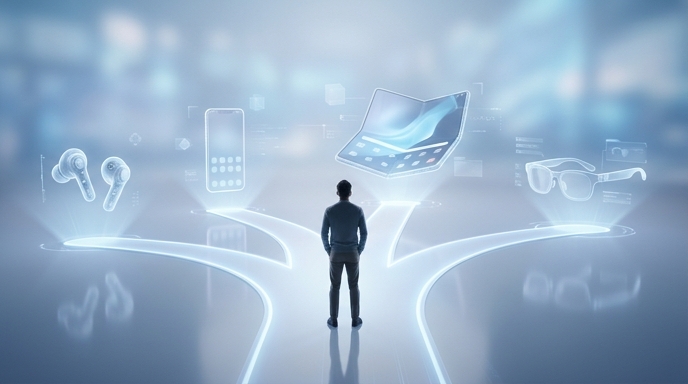
If the reports hold, 2027 could become a hinge year for Apple. The company would not just celebrate 20 years of iPhone. It would start nudging users toward a post-slab future while still making the slab look shinier than ever.
That is the balancing act. Apple cannot abandon the iPhone. It is too important, too profitable, and too deeply woven into daily life. But the company also knows the rectangle-in-your-pocket era has matured. The next big interface may sit on your face, in your ears, on your wrist, or across multiple screens.
So the rumored 2027 lineup makes strategic sense. A beautiful anniversary iPhone protects the core. A foldable sequel explores a larger-screen future. Camera AirPods experiment with ambient AI. Together, they sketch Apple’s next decade.
Or they sketch an expensive pile of maybes.
Either way, the rumor is worth watching because it points to Apple’s problem and opportunity at the same time. The company needs AI that feels useful, hardware that feels fresh, and products that make people say, “Okay, I get it,” instead of “Why is there a camera in my ear?”
That last one may take some work.
Sources
- The Verge: “Apple 2027 rumors: AirPods with cameras for AI and the second folding iPhone”
- AppleInsider: “iPhone’s 20th anniversary could be marked with an iPhone Fold 2, plus AirPods with cameras”
- 9to5Mac: “Apple releasing 20th anniversary iPhone, AirPods with cameras next year: report”
- Apple Day: “iPhone’s 20th anniversary could be marked with an iPhone Fold 2, plus AirPods with cameras”
The Kingy Brief
Get the next Kingy Brief.
Source-checked AI changes, original tests and one practical thing to try.
Free · Choose your subjects · Double opt-in · Unsubscribe anytime