TL;DR: Meta AI can now run recurring tasks, use connected email and calendar apps, research topics, create slides, and accept real-time course corrections. The features began rolling out on July 24 in select markets in the Meta AI app and on meta.ai; broader country support and WhatsApp availability were not yet general.
What Meta actually launched
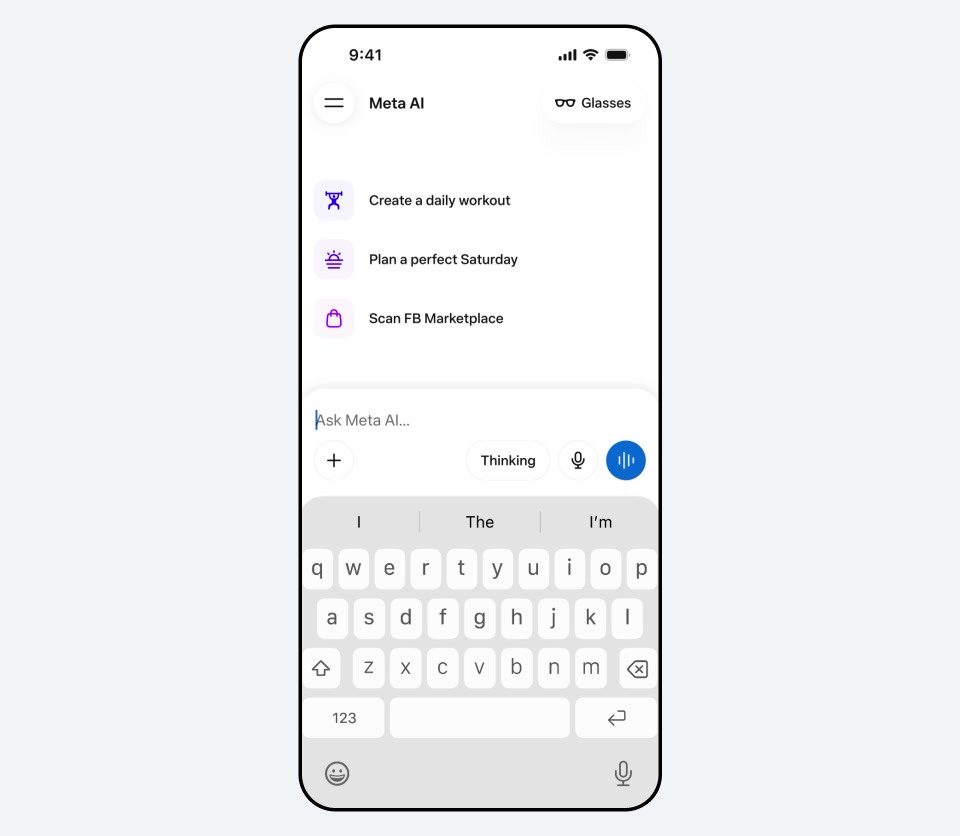
In its July 24 product announcement, Meta said its assistant could make plans, follow through on next steps, and handle tasks without being prompted again each time. The examples include a daily calendar briefing, weekly meal or training plans, product alerts, web research, slide creation, Marketplace research, and restaurant suggestions informed by a connected calendar.
The rollout language is important. Meta said the features were starting in select markets in the Meta AI app and on meta.ai. It said more countries and surfaces, including WhatsApp, would follow in the coming weeks. That is not the same as worldwide availability on every Meta product.
Muse Spark 1.1 is the operating layer
The assistant features run on Muse Spark 1.1. Meta’s model announcement describes it as a multimodal reasoning model for agentic tasks, tool and computer use, coding, and work across external apps and services. Meta also says the model can manage a one-million-token context window and is available to developers through a public preview of the Meta Model API.
Those are Meta’s product and evaluation claims. Kingy did not independently benchmark the model, test the integrations, or verify long-running task reliability. The practical value will depend on permission design, failure handling, source quality, and whether users can inspect, change, pause, or cancel recurring work.
Recurring work is the meaningful change
A one-off answer saves a few minutes. A reliable scheduled task can change a workflow. Meta says users can configure a task once and have the assistant deliver it on a recurring cadence—for example, a Monday training plan or an afternoon trend update.
That higher leverage also raises the cost of mistakes. A weak answer is an inconvenience; a weak automation can repeat the same problem every week. Users should begin with reversible, low-stakes tasks and keep human approval around messages, purchases, calendar changes, and anything involving sensitive information.
Connected context creates the privacy question
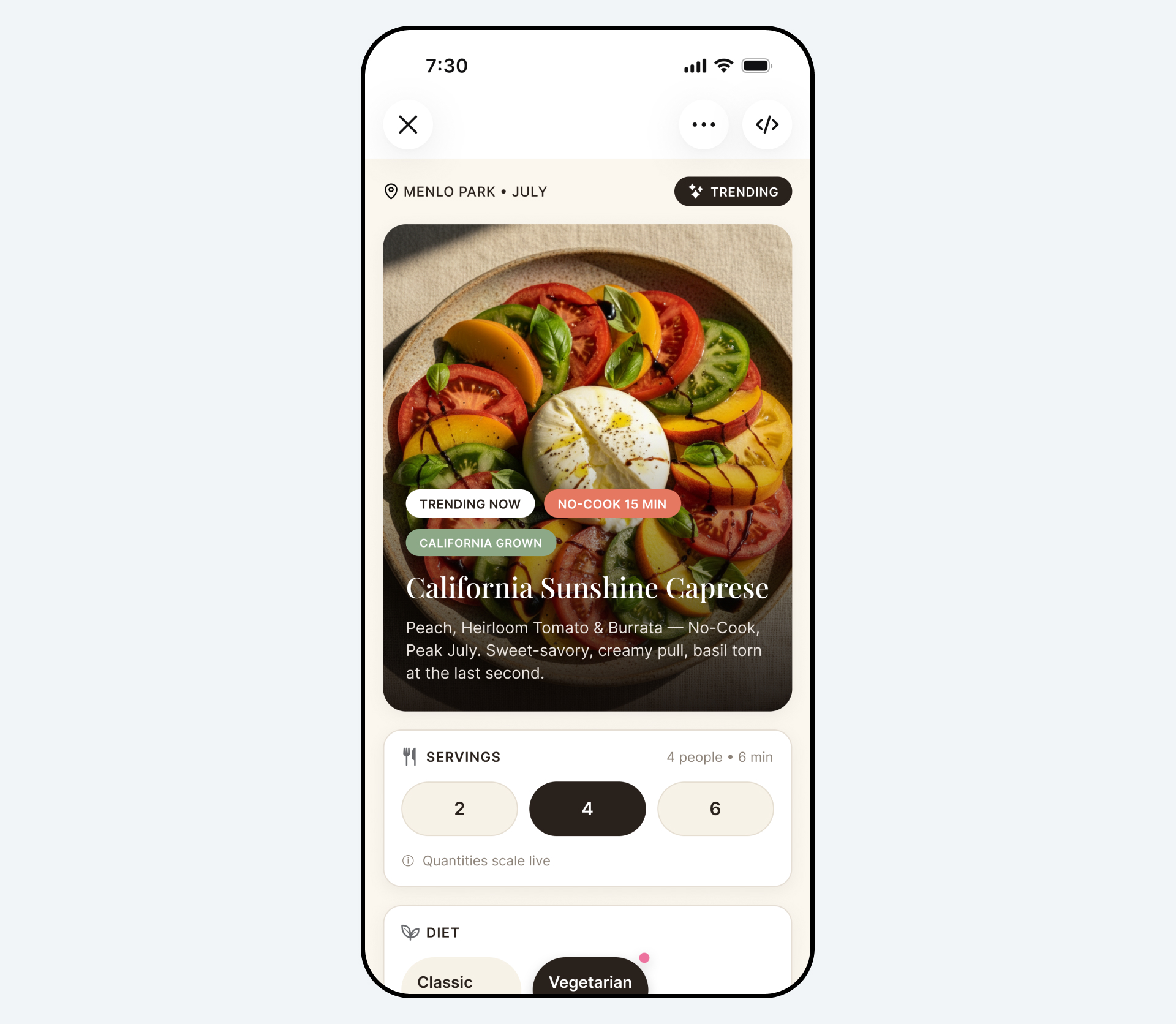
Calendar and email access can make an assistant more useful because it can identify conflicts and tailor recommendations. It also exposes a richer set of personal data. The July 24 announcement does not provide a complete permission, retention, or audit specification for every connected workflow.
Meta separately introduced Incognito Chat in May. Meta says those temporary conversations are processed in a secure environment, are not saved, and cannot be read by Meta. That privacy mode is a separate product claim; it should not be assumed to describe every task, integration, or recurring automation in the standard assistant.
What to verify before relying on it
- Availability: confirm that the task tools are enabled for the user’s market, account, app, and connected service.
- Permissions: review exactly which mailboxes, calendars, files, and Meta surfaces the assistant can access.
- Control: locate the history, edit, pause, cancel, and revocation controls before creating a recurring task.
- Source quality: check citations and primary evidence in research outputs before sharing or acting on them.
- Consequences: keep approval gates around external messages, transactions, bookings, and destructive changes.
The bottom line
Meta AI is moving from conversational help toward scheduled, connected work. The announced capabilities are specific and potentially useful, but the rollout is limited and the reliability and control model still need real-world scrutiny. Treat the first version as an assistant to supervise, not an autonomous operator to trust by default.
For related agent releases and availability changes, use Kingy’s AI Launch Tracker and AI News.
Kingy Launch Brief
Put the week’s verified AI launches in your inbox.
Every Friday, the verified AI launches, apps, funding rounds, pricing changes and under-the-radar moves worth knowing—source-linked and explained in five minutes.
Free · Every Friday · Unsubscribe anytime · No daily email