
By Kingy AI · Reviewed by Curtis Pyke. Kingy measured, November 14–16, 2026. Scoreboard v1, job set 0.2. Updated November 16, 2026.
Which free AI model can you run at home, and can it actually do the work? We give every model the same nine practical jobs, such as building a web app, fixing a bug, reading a long report or cutting a video, and let hidden automatic checks mark what it made. Each job runs three times. Then we publish the scores, the time each model took and pictures of what it built.
The short answer
- Six models are tied at the top. gpt-oss-120b 98.0, Qwen3.8 27B (2-bit) 97.9, Qwen3.8 27B (3-bit) 93.1, Gemma 4 31B 91.2, Qwen3.6 35B A3B 89.7, Gemma 4 26B A4B 87.2. Their scores sit closer together than our tie line of 14.7 points, so we do not rank them against each other. How we call a tie.
- The two small models trail. Qwen3 8B scored 74.5 and Qwen3 4B scored 56.5. Qwen3 4B is clearly below every other model. Qwen3 8B is clearly below five of the top six, but not clearly below Gemma 4 26B A4B (87.2).
- Speed differs far more than quality. On the Lucy AI Studio, Gemma 4 26B A4B finished all 27 job runs in 24 minutes of writing time. Qwen3.8 27B (3-bit) took 18.2 hours, because it thinks at length and 16 of its 56 replies hit the length limit.
- Running the same model file on a different machine changed the speed, not the quality, beyond the normal swing between runs. Other machines.
The scoreboard
All eight models on the Lucy AI Studio (128 GB). Score is the average of seven job scores. A job score is the share of that job’s hidden checks passed, averaged over three runs (100 means every check passed every time). The landing page and animated title jobs are shown but not counted, because they did not tell models apart: every model scored 90.2 or more on the landing page, and the animated title scores swung too much between runs. Writing time is the total for all 27 runs.
| Model | Group | Score (7 jobs) | Model file | Writing time | Tokens a second | Replies cut off | Chip energy | Tested |
|---|---|---|---|---|---|---|---|---|
| gpt-oss-120b OpenAI | Top group (tied) | 98.0 | MXFP4 experts (file named F16), 65.4 GB | 0.8 h | 33.8 | 0 of 73 | 0.07 kWh | November 14, 2026 |
| Qwen3.8 27B (2-bit) Alibaba Qwen | Top group (tied) | 97.9 | UD-IQ2_S (2-bit), 8.4 GB | 9.7 h | 18.8 | 10 of 48 | 1.17 kWh | November 14–15, 2026 |
| Qwen3.8 27B (3-bit) Alibaba Qwen | Top group (tied) | 93.1 | UD-Q3_K_XL (3-bit), 13.1 GB | 18.2 h | 14.2 | 16 of 56 | 2.17 kWh | November 15, 2026 |
| Gemma 4 31B | Top group (tied) | 91.2 | Q4_K_M (4-bit), 18.7 GB | 1.1 h | 10.5 | 0 of 53 | 0.13 kWh | November 14, 2026 |
| Qwen3.6 35B A3B Alibaba Qwen | Top group (tied) | 89.7 | Q4_K_M (4-bit, Ollama file), 21.7 GB | 1.2 h | 62.0 | 0 of 51 | 0.11 kWh | November 14, 2026 |
| Gemma 4 26B A4B | Top group (tied) | 87.2 | Q4_K_M (4-bit), 16.8 GB | 0.4 h | 54.5 | 0 of 65 | 0.04 kWh | November 14, 2026 |
| Qwen3 8B Alibaba Qwen | Below the top group | 74.5 | Q4_K_M (4-bit), 5.0 GB | 1.8 h | 36.5 | 0 of 55 | 0.20 kWh | November 14, 2026 |
| Qwen3 4B Alibaba Qwen | Below the top group | 56.5 | Q4_K_M (4-bit), 2.5 GB | 1.8 h | 52.6 | 2 of 47 | 0.18 kWh | November 14, 2026 |
Kingy measured on the Lucy AI Studio, November 14–15, 2026. Tokens a second is all the tokens a model wrote divided by its total writing time, from llama.cpp’s own timing; a token is a piece of a word. Replies cut off are replies that hit the model’s length limit before finishing. Chip energy comes from the chip’s own power sensor, as reported by its graphics driver, logged for the whole run including checking time. It is not power at the wall.
How we call a tie
A model’s score moves between tries. Across the eight Lucy models, the spread of a model’s three full-pass scores (one pass = all seven counted jobs once) has a pooled standard deviation of 7.3 points. We call two models tied when their scores are closer than twice that, 14.7 points. By that rule the top six are a tie, and their order could change on a re-run.
Scores by job
Each cell is the average of three runs. The last row says whether the job told models apart: the gap between the best and worst model has to be at least 10 points and at least twice the normal swing between a model’s own runs. We set that rule before the runs.
| Model | Landing page | Budget tracker | Bean Catch game | Bug fix | Messy spreadsheet to chart | Long report questions | Find facts in 37 files | Video cut | Animated title |
|---|---|---|---|---|---|---|---|---|---|
| gpt-oss-120b | 94.1 | 100.0 | 97.6 | 100.0 | 100.0 | 100.0 | 95.2 | 93.3 | 87.5 |
| Qwen3.8 27B (2-bit) | 100.0 | 96.6 | 97.6 | 100.0 | 100.0 | 93.8 | 97.6 | 100.0 | 79.2 |
| Qwen3.8 27B (3-bit) | 90.2 | 100.0 | 71.4 | 100.0 | 100.0 | 100.0 | 100.0 | 80.0 | 66.7 |
| Gemma 4 31B | 100.0 | 100.0 | 96.4 | 87.5 | 91.3 | 81.3 | 100.0 | 82.2 | 93.8 |
| Qwen3.6 35B A3B | 98.0 | 81.6 | 90.5 | 87.5 | 97.1 | 100.0 | 100.0 | 71.1 | 85.4 |
| Gemma 4 26B A4B | 100.0 | 100.0 | 73.8 | 87.5 | 98.6 | 70.8 | 100.0 | 80.0 | 56.3 |
| Qwen3 8B | 94.1 | 83.9 | 40.5 | 79.2 | 73.9 | 93.8 | 83.3 | 66.7 | 91.7 |
| Qwen3 4B | 94.1 | 42.5 | 45.2 | 56.3 | 81.2 | 81.3 | 64.3 | 24.4 | 91.7 |
| Tells all 8 apart? | No, not counted | Yes | Yes | Yes | Yes | Yes | Yes | Yes | No, not counted |
| Tells the top 6 apart? | No | No | No | Yes | No | Yes | No | No | No |
Kingy measured on the Lucy AI Studio, November 14–15, 2026. 216 marked results (8 models, 9 jobs, 3 runs).
Other machines
We also ran three of the models on the gaming laptop and one on the MacBook Pro, and all eight on two rented NVIDIA cards (below), with the same model files (checked byte for byte), the same settings and the same jobs. Only the machine doing the writing changed; the checks ran on the Lucy AI Studio for every row.
| Model | Machine | Score here | Score on the Lucy | Writing time here | On the Lucy | Tokens a second here | On the Lucy | Replies cut off here | Tested |
|---|---|---|---|---|---|---|---|---|---|
| Gemma 4 26B A4B | Gaming laptop, RTX 5070 Laptop, 8 GB | 84.4 | 87.2 | 0.4 h | 0.4 h | 46.6 | 54.5 | 0 | November 14, 2026 |
| Qwen3 8B | Gaming laptop, RTX 5070 Laptop, 8 GB | 76.1 | 74.5 | 3.3 h | 1.8 h | 22.6 | 36.5 | 0 | November 14, 2026 |
| Qwen3 4B | Gaming laptop, RTX 5070 Laptop, 8 GB | 49.2 | 56.5 | 2.6 h | 1.8 h | 41.5 | 52.6 | 4 | November 14, 2026 |
| Qwen3 8B | MacBook Pro, M4 Pro, 24 GB | 66.7 | 74.5 | 2.1 h | 1.8 h | 36.1 | 36.5 | 2 | November 14, 2026 |
Kingy measured, November 14, 2026. The scores move by a few points between machines, as they do between runs on one machine: Qwen3 8B scored 74.5, 76.1, 66.7 on the Lucy, laptop and Mac, while its own three passes ranged from 67.6 to 82.3 on the Lucy and from 53.5 to 79.0 on the Mac. Every gap between machines is smaller than our 14.7-point tie line. We read those gaps as chance, not as one machine making the model smarter. Speed is the real difference: the laptop wrote Qwen3 8B at 22.6 tokens a second against 36.5 on the Lucy. The Mac’s figure (36.1) is close to the Lucy’s for this small model. Speeds on these two machines include a few replies from runs that lost their connection and were run again; those runs were never scored.
Rented graphics cards
We rented two NVIDIA cards by the hour from RunPod’s secure cloud: an RTX 4090 with 24 GB of graphics memory and an RTX 5090 with 32 GB. Kingy AI pays the hourly rent. The rented machine only runs the model, with the same model files (checked byte for byte), the same settings and llama.cpp build 11538 built for NVIDIA, which decides by itself how much of each model goes on the card. The jobs and checks run on the Lucy AI Studio, as for every other row. Rows appear here only after all nine jobs have run three times and been checked.
| Model | Machine | Score here | Score on the Lucy | Writing time here | On the Lucy | Tokens a second here | On the Lucy | Replies cut off here | Tested |
|---|---|---|---|---|---|---|---|---|---|
| gpt-oss-120b | Rented RTX 4090, 24 GB | 93.0 | 98.0 | 2.8 h | 0.8 h | 9.5* | 33.8 | 0 | November 16, 2026 |
| gpt-oss-120b | Rented RTX 5090, 32 GB | 90.0 | 98.0 | 2.2 h | 0.8 h | 11.2* | 33.8 | 0 | November 16, 2026 |
| Qwen3.8 27B (2-bit) | Rented RTX 4090, 24 GB | 89.3 | 97.9 | 2.8 h | 9.7 h | 71.2 | 18.8 | 8 | November 15–16, 2026 |
| Qwen3.8 27B (2-bit) | Rented RTX 5090, 32 GB | 85.8 | 97.9 | 1.8 h | 9.7 h | 105.3 | 18.8 | 8 | November 15–16, 2026 |
| Qwen3.8 27B (3-bit) | Rented RTX 4090, 24 GB | 86.1 | 93.1 | 5.9 h | 18.2 h | 54.4 | 14.2 | 24 | November 16, 2026 |
| Qwen3.8 27B (3-bit) | Rented RTX 5090, 32 GB | 91.6 | 93.1 | 3.2 h | 18.2 h | 85.3 | 14.2 | 16 | November 16, 2026 |
| Gemma 4 31B | Rented RTX 4090, 24 GB | 93.5 | 91.2 | 0.6 h | 1.1 h | 20.0 | 10.5 | 0 | November 16, 2026 |
| Gemma 4 31B | Rented RTX 5090, 32 GB | 91.5 | 91.2 | 0.2 h | 1.1 h | 65.8 | 10.5 | 0 | November 16, 2026 |
| Qwen3.6 35B A3B | Rented RTX 4090, 24 GB | 96.5 | 89.7 | 0.6 h | 1.2 h | 137.6 | 62.0 | 0 | November 16, 2026 |
| Qwen3.6 35B A3B | Rented RTX 5090, 32 GB | 88.6 | 89.7 | 0.4 h | 1.2 h | 229.2 | 62.0 | 0 | November 16, 2026 |
| Gemma 4 26B A4B | Rented RTX 4090, 24 GB | 86.6 | 87.2 | 0.1 h | 0.4 h | 165.8 | 54.5 | 0 | November 16, 2026 |
| Gemma 4 26B A4B | Rented RTX 5090, 32 GB | 92.7 | 87.2 | 0.1 h | 0.4 h | 227.7 | 54.5 | 0 | November 16, 2026 |
| Qwen3 8B | Rented RTX 4090, 24 GB | 69.7 | 74.5 | 0.5 h | 1.8 h | 133.8 | 36.5 | 0 | November 15–16, 2026 |
| Qwen3 8B | Rented RTX 5090, 32 GB | 76.9 | 74.5 | 0.4 h | 1.8 h | 205.2 | 36.5 | 0 | November 15, 2026 |
| Qwen3 4B | Rented RTX 4090, 24 GB | 50.6 | 56.5 | 0.7 h | 1.8 h | 176.8 | 52.6 | 6 | November 15, 2026 |
| Qwen3 4B | Rented RTX 5090, 32 GB | 56.3 | 56.5 | 0.3 h | 1.8 h | 270.0 | 52.6 | 2 | November 15, 2026 |
Kingy measured, November 15–16, 2026. Every rented score is within 12.1 points of the same model on the Lucy, inside our 14.7-point tie line, so we read the gaps as chance, as with the laptop and Mac. Tokens a second comes from llama.cpp’s own timing on the rented card. Writing time is measured from the Lucy AI Studio, so it also includes the short trip over the internet to the card and back. The gpt-oss-120b file (65.4 GB) is larger than either card’s graphics memory, so on both cards llama.cpp kept part of the model in the rented machine’s main memory (marked * in the table). Its speeds there (9.5 tokens a second on the RTX 4090 and 11.2 tokens a second on the RTX 5090) measure that split setup, not the card alone, so they are not comparable with the other rows. Its scores are comparable. Gemma 4 31B was also far slower on the RTX 4090 than on the RTX 5090 (20.0 against 65.8 tokens a second), a bigger drop than any other model; our logs do not show whether part of it ran outside the card’s memory, so treat that speed with care. Speeds and cut-off counts for Qwen3.8 27B (2-bit) on the RTX 4090, Qwen3 8B on the RTX 4090, Qwen3 8B on the RTX 5090, Qwen3 4B on the RTX 4090 and Qwen3 4B on the RTX 5090 include replies from runs that lost their connection and were run again, which adds to their reply counts; those runs were never scored.
The jobs
Every model gets the same brief for each job and replies with one finished file (the file-search job uses tools instead). Hidden checks mark the work. We publish what each job asks for, but not the checks or the answers, so models cannot be tuned to them.
| Job | Group | What the model makes | Hidden checks | Counted in the score? |
|---|---|---|---|---|
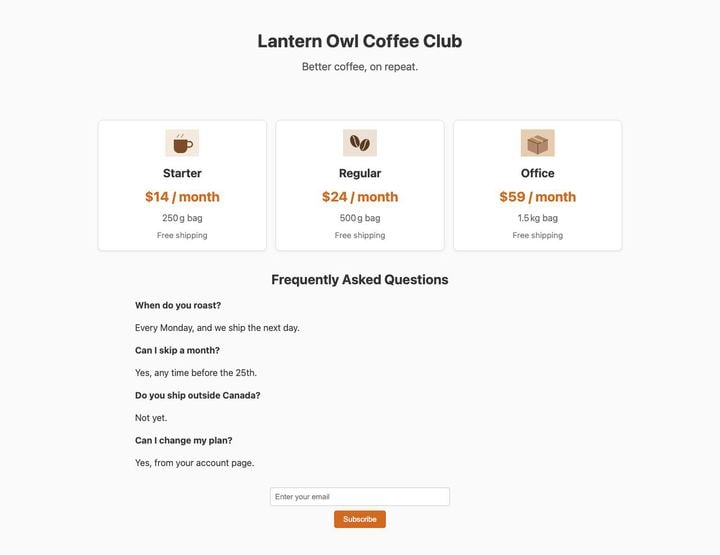
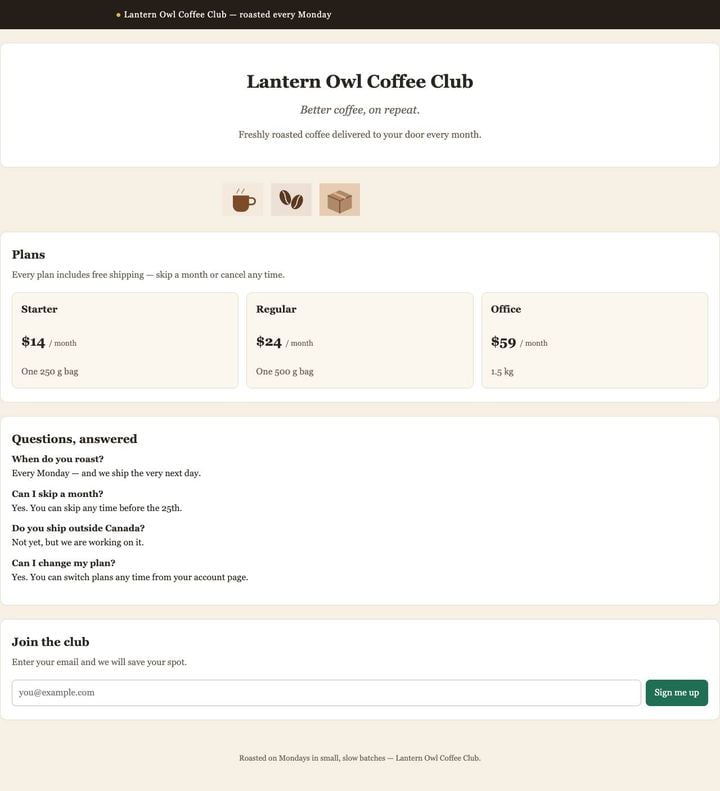
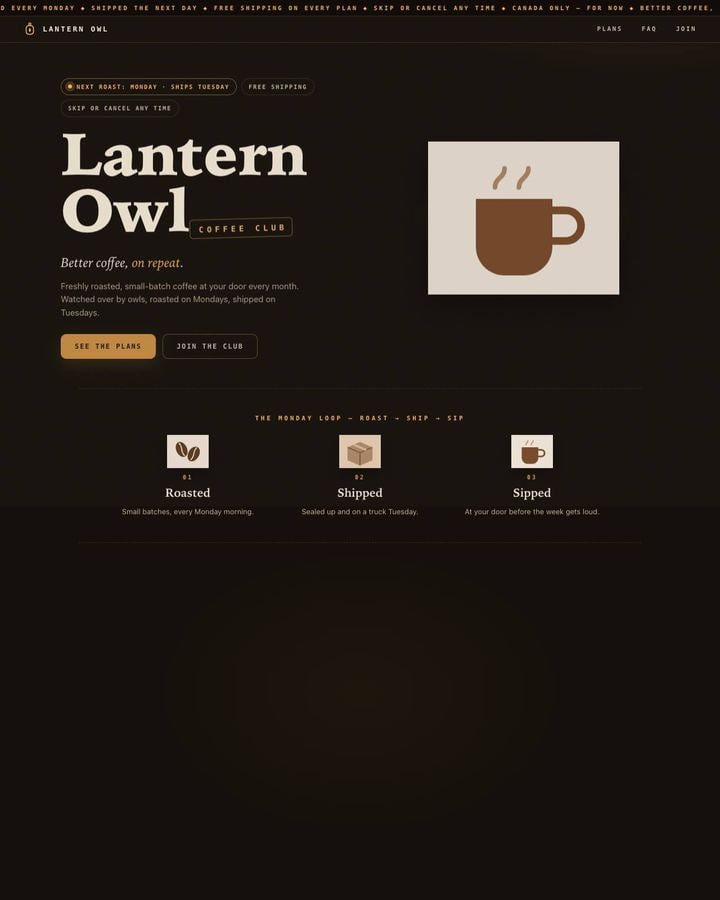
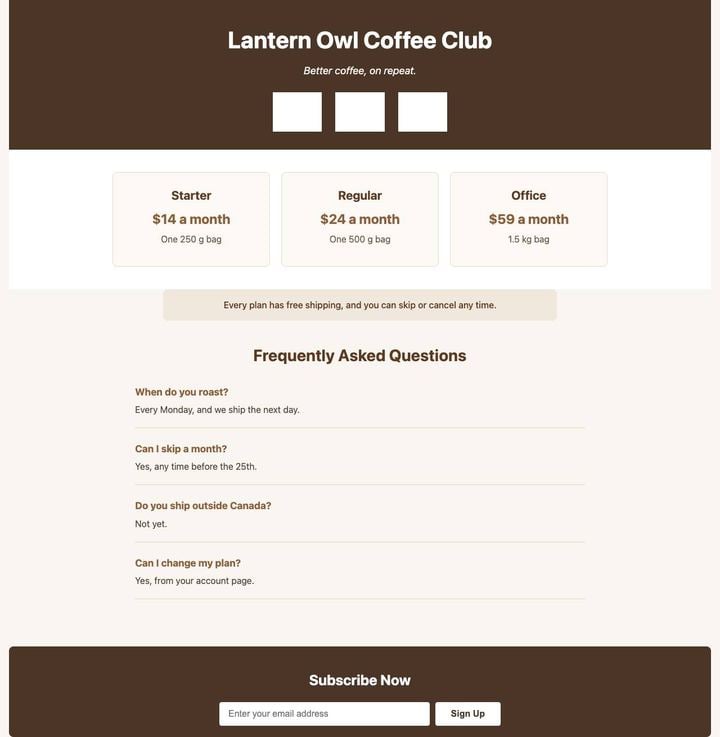
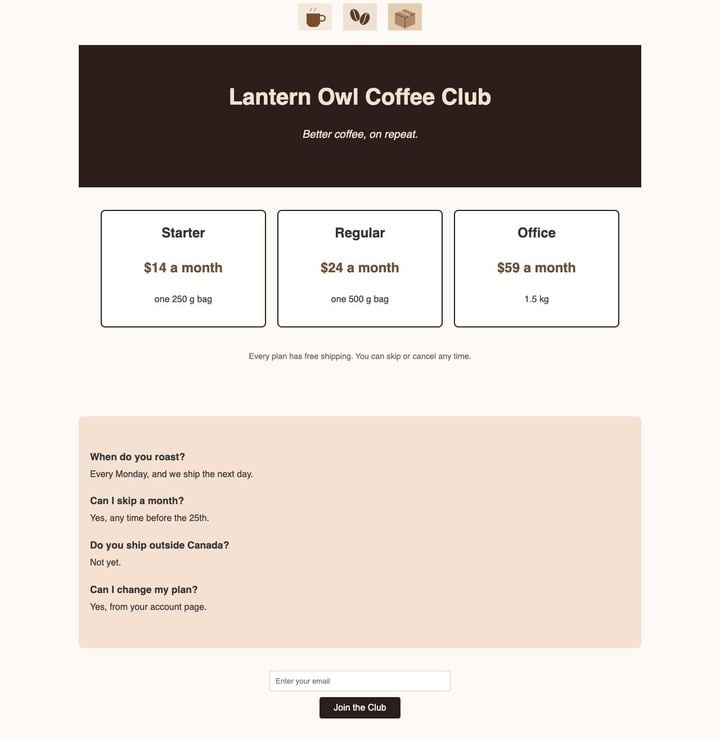
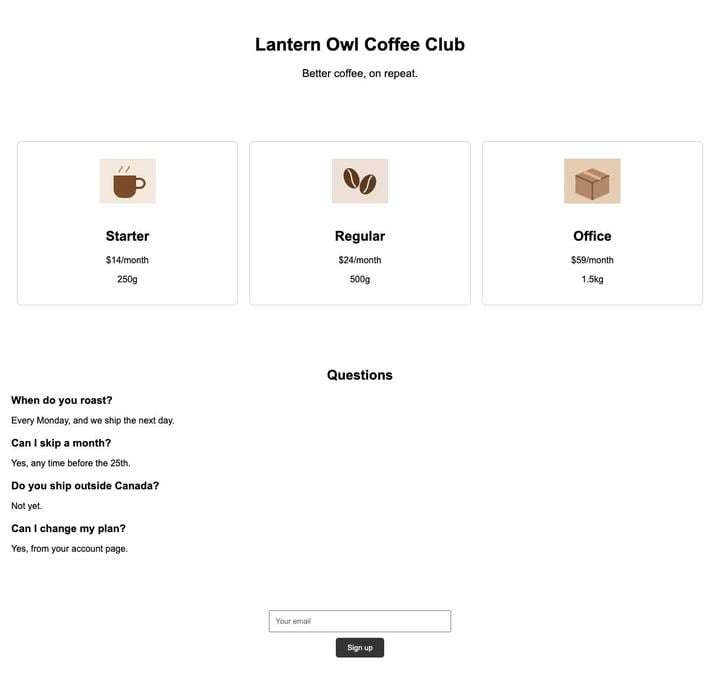
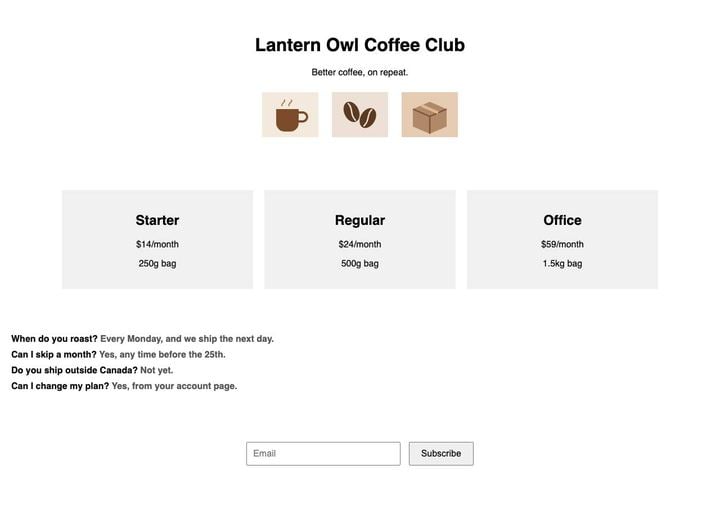
| Landing page | Build | A one-page website for a made-up coffee club, built from the owner’s notes and three supplied pictures, with a working sign-up form. | 17 | No (not counted) |
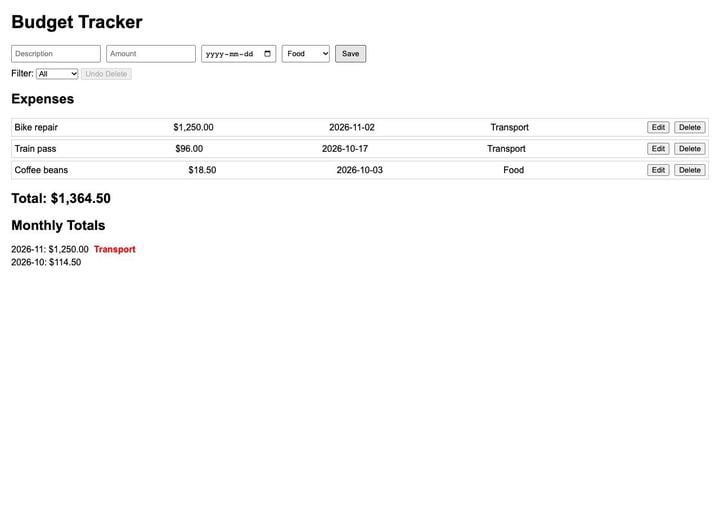
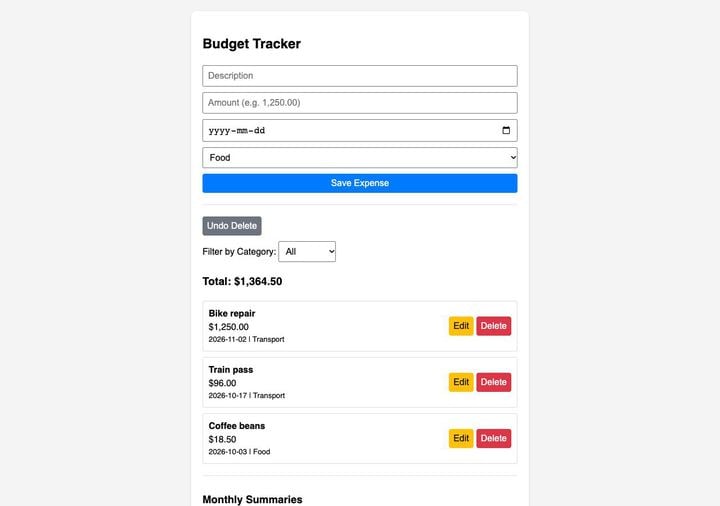
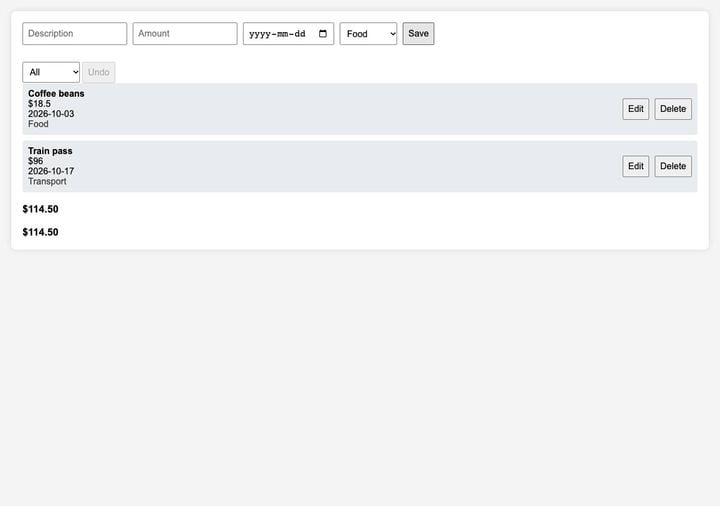
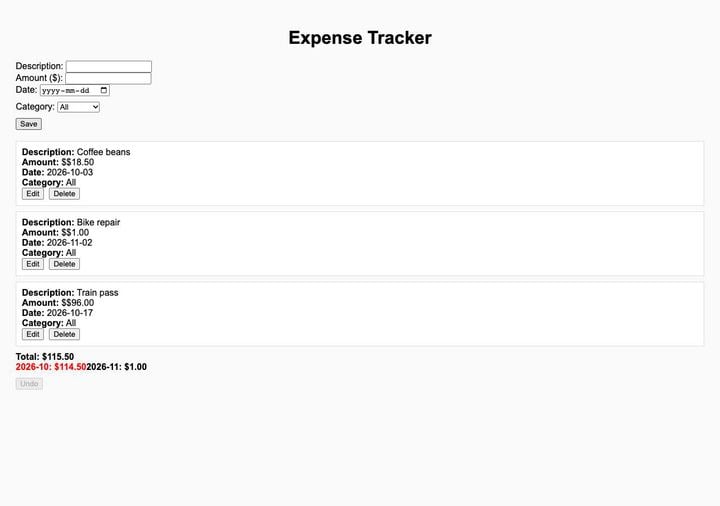
| Budget tracker | Build | A browser app: add, edit and delete expenses, categories and a filter, undo for the last delete, amounts like 1,250.00. | 29 | Yes |
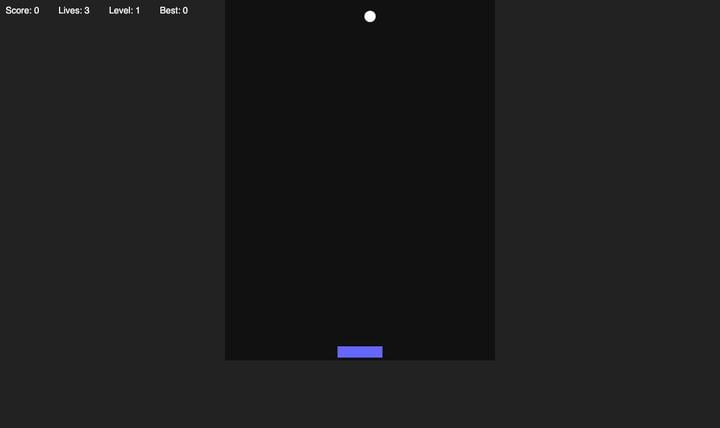
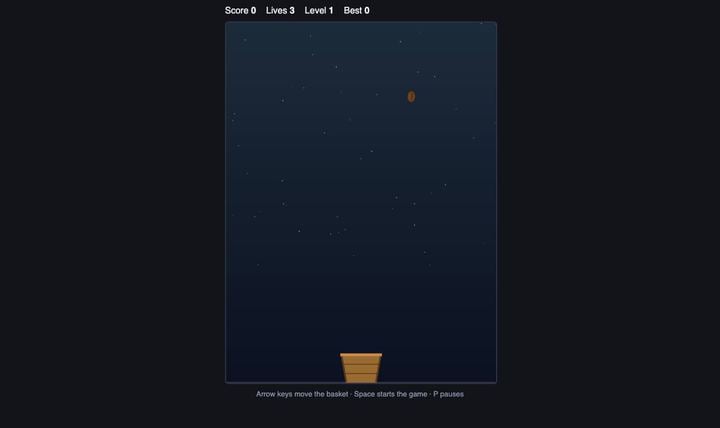
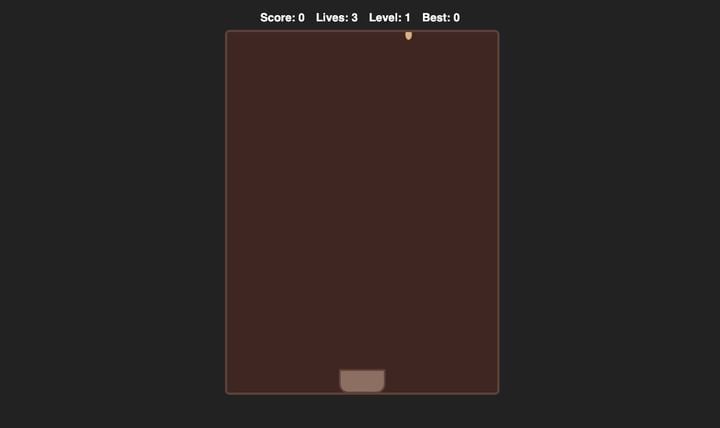
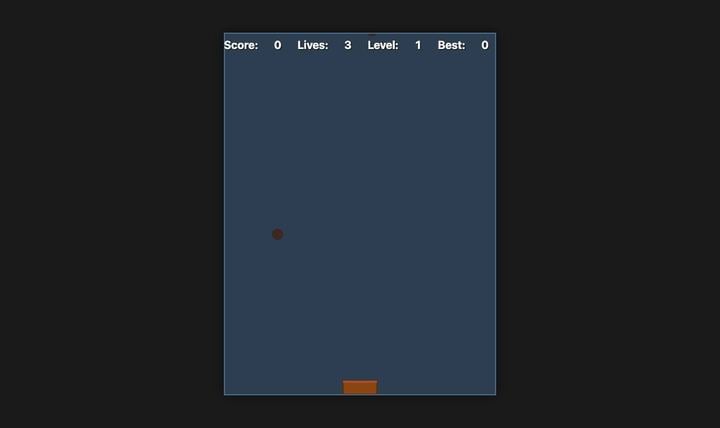
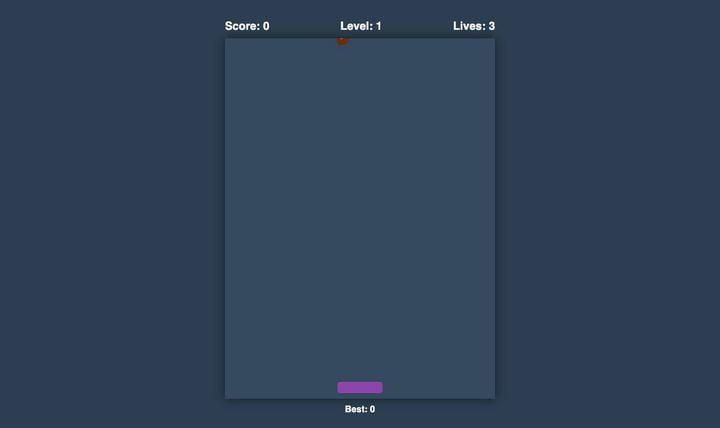
| Bean Catch game | Build | A small arcade game with levels, golden beans, pause and game over. A bot plays it. | 28 | Yes |
| Bug fix | Build | Fix a small Python project so it does exactly what its README says. One test fails at the start, and the whole file has to match the README. | 16 | Yes |
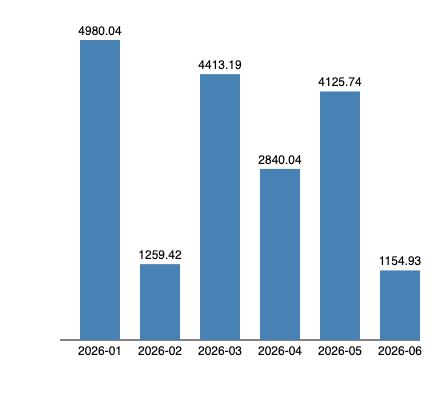
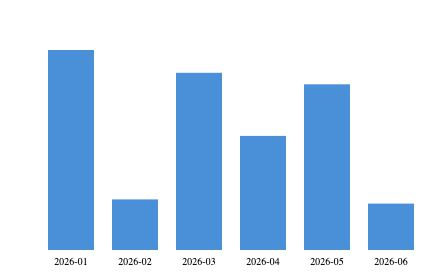
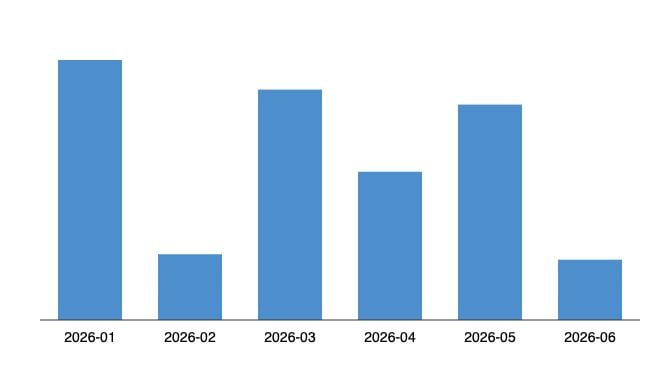
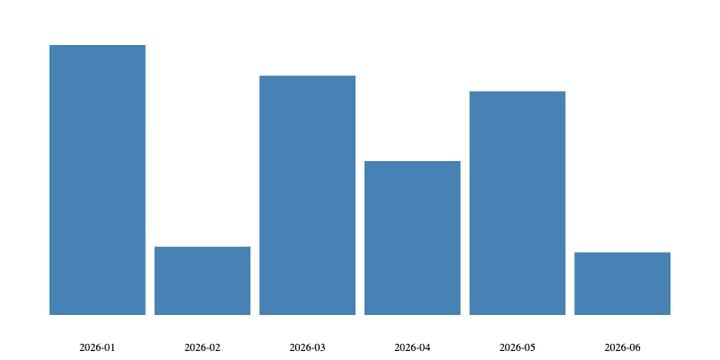
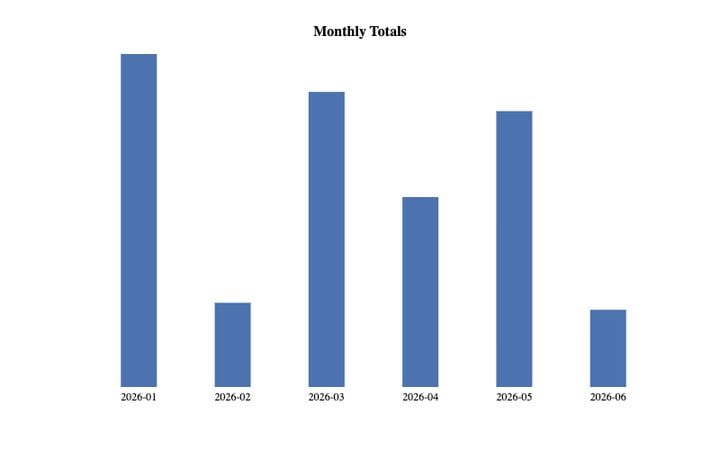
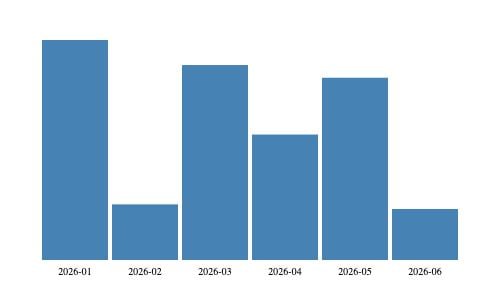
| Messy spreadsheet to chart | Create | A Python script that cleans a messy sales file (mixed date styles, refunds, repeats), totals each month and draws a bar chart. | 23 | Yes |
| Long report questions | Think | 15 questions about a long made-up annual report from a ferry company. Some need facts combined or simple sums. If the report does not give an answer, the model must say so. | 16 | Yes |
| Find facts in 37 files | Think | With file tools only and at most 30 tool calls, find four facts in a bike shop’s work files and name the source files. | 14 | Yes |
| Video cut | Create | A Python script that cuts a 2-minute 4K talk down to a 30-second highlight with ffmpeg, keeping set sentences and never cutting mid-sentence. | 15 | Yes |
| Animated title | Create | A 10-second 4K title card for a show, drawn frame by frame in code. | 16 | No (not counted) |
| Blender scene | Create | A Python script for Blender 5.2 that builds and renders a desk lamp on a table as a 4K picture. | 16 | No, shown on its own (see below) |
What the models made
Screenshots of the finished work on the Lucy AI Studio, taken in a browser with the internet switched off. For each model we show the run whose score is closest to its average on that job, and give that run’s score. We show pictures only, never the files the models wrote.
Landing page
Top of each page, at desktop width.

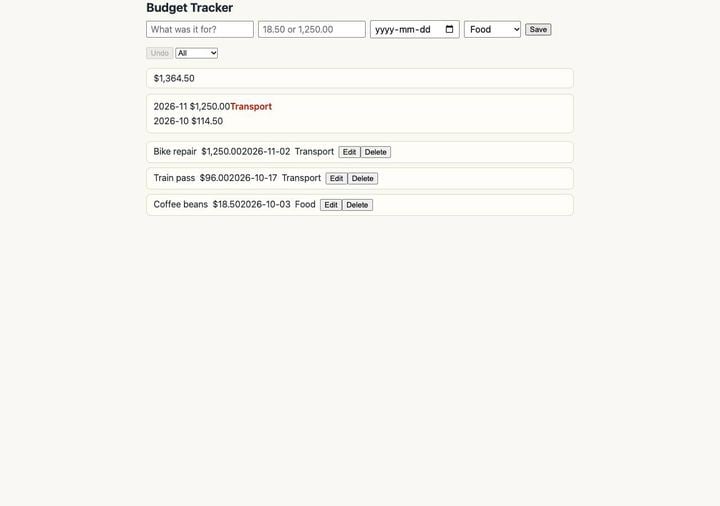
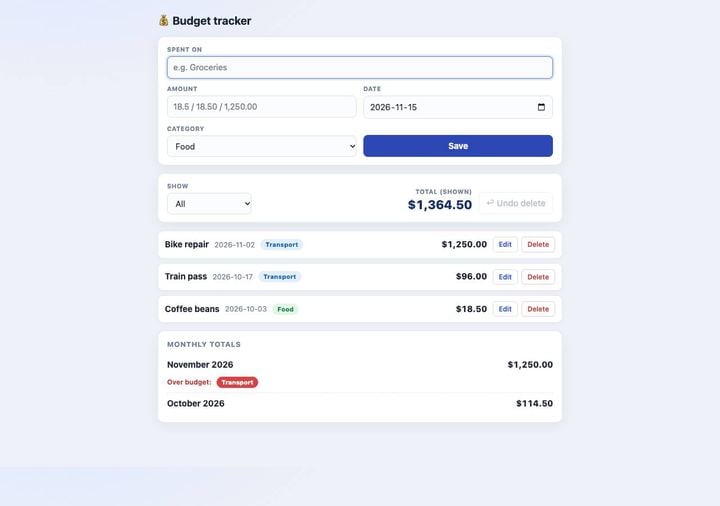
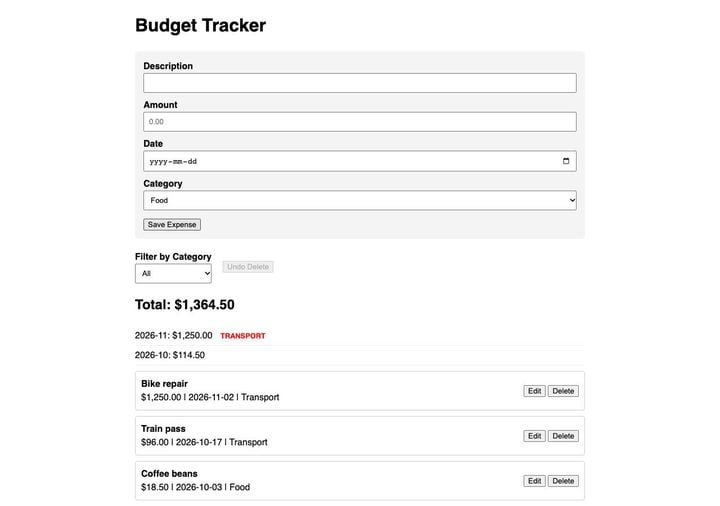
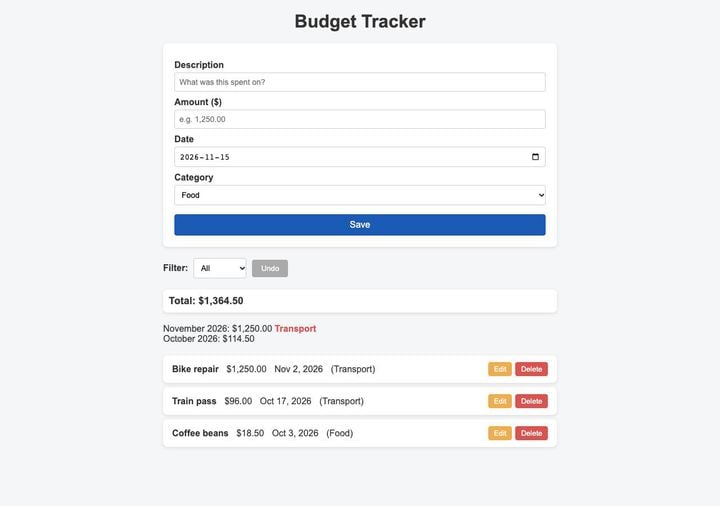
Budget tracker
After we added the same three expenses in each app.
Bean Catch game
About 1.6 seconds after pressing Space to start.

Messy spreadsheet to chart
The bar chart each script drew from the same messy file.

Animated title (not counted)
The frame at 5 seconds. Each title is drawn at 3840 × 2160 pixels; it is shown smaller here.








The creative jobs: Blender, video and the animated title
The Blender job runs only on the MacBook Pro, where Blender is installed: the model writes the script on the Lucy AI Studio and the script runs in Blender 5.2.1 on the Mac. It is the hardest job. Most scripts stopped with an error, for example a setting that does not exist in Blender 5.2, a misspelled name, saving to a folder that does not exist or a plain code bug. Only Gemma 4 31B’s script ran to the end in all three runs (average 79.2), and in two of those the picture came out blank (one flat colour). The best single run was gpt-oss-120b’s second (93.8): every check passed except that the whole lamp was not in the camera’s view. Its other two runs stopped when saving the files. Blender is shown here as its own result and is not counted in the overall score, because it runs on only one machine and checks a different kind of work (building a 3D scene).
| Model | Blender score | Runs counted |
|---|---|---|
| gpt-oss-120b | 35.4 | 3 of 3 |
| Qwen3.8 27B (2-bit) | 0.0 | 3 of 3 |
| Qwen3.8 27B (3-bit) | 0.0 | 3 of 3 |
| Gemma 4 31B | 79.2 | 3 of 3 |
| Qwen3.6 35B A3B | 2.1 | 3 of 3 |
| Gemma 4 26B A4B | 6.3 | 3 of 3 |
| Qwen3 8B | 31.3 | 3 of 3 |
| Qwen3 4B | 6.3 | 3 of 3 |
Kingy measured, November 15–16, 2026, checks on the MacBook Pro.

Code checks can tell whether a title stays on screen or a video is cut in the right places, but not whether it looks good. Curtis Pyke will pick the best results from the animated title, video cut and Blender jobs without knowing which model made them. Those picks have not been made yet. They will appear here, shown apart from the code score, and will not change it.
How we test
- Each model gets the brief and replies with one file. If that file shows a problem a real user would see, such as a script error, a crash, a failing public test or no file at all, the model is shown that problem and gets up to two more tries. The hidden check results are never shown to the model. The last try counts.
- Every job runs three times per model. A job score is the share of that job’s hidden checks passed, averaged over the three runs. The overall score is the average of the seven counted job scores.
- Each model uses its maker’s recommended settings. The Gemma models have thinking off (Google’s default), gpt-oss-120b uses medium reasoning (OpenAI’s default) and the Qwen models think before answering (Qwen’s default). Length limits per reply: 32,768 tokens for Qwen3.6 (Qwen’s stated advice) and Qwen3.8 (the cap Qwen gives for the family); 16,384 for Gemma and gpt-oss-120b, whose makers give no limit, so we used our default; and 20,000 for Qwen3 4B and 8B, below the 32,768 Qwen suggests, which may have cost them a few cut-off replies. So the treatment is not identical.
- All models run in llama.cpp: build 11538 on the Lucy AI Studio, 11429 on the MacBook Pro and b12199 on the gaming laptop, and build 11538 built for NVIDIA on the rented cards.
- Code the models write runs in a locked box with no internet access. Web pages are checked in a browser with the internet blocked.
- We read every failure. On November 15, 2026 that found two mistakes in the animated title checks; we fixed them and marked every saved title again. On November 16, 2026 it found one more in the landing page check: a price split across two boxes on the page (the “$” in one, the number in the next) was marked wrong. We fixed it and marked every saved landing page again; one model’s score changed. After that fix the landing page job no longer told the models apart, so it is no longer counted. No model was asked again.
- A run that ends because the connection to the model dropped, rather than because of the model’s reply, is set aside and run again. It is never scored.
- In four budget tracker runs our checker stopped early and reported fewer than the job’s 29 checks (Qwen3.6 35B A3B on the Lucy; Gemma 4 26B A4B on the laptop; Qwen3 4B on the rented RTX 4090 and the rented RTX 5090). The missing checks count as failed, so those runs are scored out of 29.
- Two runs ended in an error and are scored as they stand, with every check they did not reach counted as failed. In gpt-oss-120b’s second file-search run on the rented RTX 5090, the model server (llama.cpp) returned an internal error on one request partway through, so the run passed 4 of 14 checks; its other two runs passed all 14. Had this run also passed all 14, the model’s score on that card would be 3.4 points higher. In Qwen3 4B’s second animated title run on the laptop, the check ran out of time and the run scored zero; the animated title is not counted in the overall score, so this affects only the all-nine-jobs figure. Neither was a dropped connection, so neither was run again.
Limits
- No single winner. The top six are tied by our rule, and on most jobs the gaps between models come from the two small models.
- Three runs per model per job. Enough to see big gaps, not small ones.
- Long thinking costs time and sometimes marks. Qwen3.8 27B hit its length limit in 10 of 48 replies at 2-bit and 16 of 56 at 3-bit; a cut-off reply with no file scores zero on that try. No other model on the Lucy was cut off more than twice.
- Job set 0.2, marked by code only. Nothing here judges looks or taste yet.
- The Lucy AI Studio and both rented cards have all eight models; the laptop and Mac have rows for only some of them.
- Energy was measured on the Lucy AI Studio only, from the chip’s own sensor through its graphics driver, for the whole run including checking time, not at the wall.
- Two model files are labelled with care. The Qwen3.6 35B A3B file is Ollama’s copy; its header says Q4_K_M. The gpt-oss-120b file is named F16, but its large expert layers are stored in OpenAI’s own 4-bit format (MXFP4), which is why it is 65.4 GB.
The machines
Lucy AI Studio
A mini PC with an AMD Ryzen AI Max+ 395 chip, Radeon 8060S graphics and 128 GB of memory shared between the processor and graphics. Cephalon sent it to Kingy AI for free; see the note at the top of this page. Linux, llama.cpp build 11538.
MacBook Pro
Apple M4 Pro (14 cores) with 24 GB of shared memory, on its charger. Kingy AI bought this machine. macOS 26.3, llama.cpp build 11429.
Gaming laptop
NVIDIA GeForce RTX 5070 Laptop GPU with 8 GB of graphics memory, and 32 GB of system memory. Kingy AI bought this machine. Windows, llama.cpp build b12199, which decides by itself how much of each model goes on the graphics card.
Rented graphics cards
An NVIDIA GeForce RTX 4090 with 24 GB of graphics memory and an NVIDIA GeForce RTX 5090 with 32 GB, rented by the hour from RunPod’s secure cloud. Kingy AI pays the rent. Linux, llama.cpp build 11538 built for NVIDIA, which decides by itself how much of each model goes on the card. Rented card results.
Every row
| Model | Machine | File | Compression | File fingerprint (SHA-256, first 12) | Thinking | Length limit (tokens) | Tested | Score (7 jobs) | All 9 jobs |
|---|---|---|---|---|---|---|---|---|---|
| gpt-oss-120b | Lucy AI Studio | gpt-oss-120b-F16.gguf | MXFP4 experts (file named F16) | 2d1f0298ae4b | reasoning medium (maker default) | 16,384 | November 14, 2026 | 98.0 | 96.4 |
| Qwen3.8 27B (2-bit) | Lucy AI Studio | Qwen3.8-27B-UD-IQ2_S.gguf | UD-IQ2_S (2-bit) | 7897d2c5a5ce | thinking on (maker default) | 32,768 | November 14–15, 2026 | 97.9 | 96.1 |
| Qwen3.8 27B (3-bit) | Lucy AI Studio | Qwen3.8-27B-UD-Q3_K_XL.gguf | UD-Q3_K_XL (3-bit) | 8c2a45ff85e7 | thinking on (maker default) | 32,768 | November 15, 2026 | 93.1 | 89.8 |
| Gemma 4 31B | Lucy AI Studio | gemma-4-31B-it-Q4_K_M.gguf | Q4_K_M (4-bit) | 8f3479643461 | thinking off (maker default) | 16,384 | November 14, 2026 | 91.2 | 92.5 |
| Qwen3.6 35B A3B | Lucy AI Studio | ollama-qwen3.6-35b.gguf | Q4_K_M (4-bit, Ollama file) | d372de8e9348 | thinking on (maker default) | 32,768 | November 14, 2026 | 89.7 | 90.1 |
| Gemma 4 26B A4B | Lucy AI Studio | gemma-4-26B-A4B-it-Q4_K_M.gguf | Q4_K_M (4-bit) | e19514d95413 | thinking off (maker default) | 16,384 | November 14, 2026 | 87.2 | 85.2 |
| Qwen3 8B | Lucy AI Studio | Qwen3-8B-Q4_K_M.gguf | Q4_K_M (4-bit) | d98cdcbd03e1 | thinking on (maker default) | 20,000 | November 14, 2026 | 74.5 | 78.6 |
| Qwen3 4B | Lucy AI Studio | Qwen3-4B-Q4_K_M.gguf | Q4_K_M (4-bit) | 7485fe6f11af | thinking on (maker default) | 20,000 | November 14, 2026 | 56.5 | 64.5 |
| Gemma 4 26B A4B | Gaming laptop | gemma-4-26B-A4B-it-Q4_K_M.gguf | Q4_K_M (4-bit) | e19514d95413 | thinking off (maker default) | 16,384 | November 14, 2026 | 84.4 | 87.0 |
| Qwen3 8B | Gaming laptop | Qwen3-8B-Q4_K_M.gguf | Q4_K_M (4-bit) | d98cdcbd03e1 | thinking on (maker default) | 20,000 | November 14, 2026 | 76.1 | 78.9 |
| Qwen3 4B | Gaming laptop | Qwen3-4B-Q4_K_M.gguf | Q4_K_M (4-bit) | 7485fe6f11af | thinking on (maker default) | 20,000 | November 14, 2026 | 49.2 | 55.2 |
| Qwen3 8B | MacBook Pro | Qwen3-8B-Q4_K_M.gguf | Q4_K_M (4-bit) | d98cdcbd03e1 | thinking on (maker default) | 20,000 | November 14, 2026 | 66.7 | 72.3 |
| Qwen3.6 35B A3B | Rented RTX 4090 | ollama-qwen3.6-35b.gguf | Q4_K_M (4-bit, Ollama file) | d372de8e9348 | thinking on (maker default) | 32,768 | November 16, 2026 | 96.5 | 92.2 |
| Gemma 4 31B | Rented RTX 4090 | gemma-4-31B-it-Q4_K_M.gguf | Q4_K_M (4-bit) | 8f3479643461 | thinking off (maker default) | 16,384 | November 16, 2026 | 93.5 | 93.8 |
| gpt-oss-120b | Rented RTX 4090 | gpt-oss-120b-F16.gguf | MXFP4 experts (file named F16) | 2d1f0298ae4b | reasoning medium (maker default) | 16,384 | November 16, 2026 | 93.0 | 93.9 |
| Qwen3.8 27B (2-bit) | Rented RTX 4090 | Qwen3.8-27B-UD-IQ2_S.gguf | UD-IQ2_S (2-bit) | 7897d2c5a5ce | thinking on (maker default) | 32,768 | November 15–16, 2026 | 89.3 | 91.5 |
| Gemma 4 26B A4B | Rented RTX 4090 | gemma-4-26B-A4B-it-Q4_K_M.gguf | Q4_K_M (4-bit) | e19514d95413 | thinking off (maker default) | 16,384 | November 16, 2026 | 86.6 | 88.6 |
| Qwen3.8 27B (3-bit) | Rented RTX 4090 | Qwen3.8-27B-UD-Q3_K_XL.gguf | UD-Q3_K_XL (3-bit) | 8c2a45ff85e7 | thinking on (maker default) | 32,768 | November 16, 2026 | 86.1 | 84.6 |
| Qwen3 8B | Rented RTX 4090 | Qwen3-8B-Q4_K_M.gguf | Q4_K_M (4-bit) | d98cdcbd03e1 | thinking on (maker default) | 20,000 | November 15–16, 2026 | 69.7 | 74.9 |
| Qwen3 4B | Rented RTX 4090 | Qwen3-4B-Q4_K_M.gguf | Q4_K_M (4-bit) | 7485fe6f11af | thinking on (maker default) | 20,000 | November 15, 2026 | 50.6 | 58.9 |
| Gemma 4 26B A4B | Rented RTX 5090 | gemma-4-26B-A4B-it-Q4_K_M.gguf | Q4_K_M (4-bit) | e19514d95413 | thinking off (maker default) | 16,384 | November 16, 2026 | 92.7 | 92.7 |
| Qwen3.8 27B (3-bit) | Rented RTX 5090 | Qwen3.8-27B-UD-Q3_K_XL.gguf | UD-Q3_K_XL (3-bit) | 8c2a45ff85e7 | thinking on (maker default) | 32,768 | November 16, 2026 | 91.6 | 92.1 |
| Gemma 4 31B | Rented RTX 5090 | gemma-4-31B-it-Q4_K_M.gguf | Q4_K_M (4-bit) | 8f3479643461 | thinking off (maker default) | 16,384 | November 16, 2026 | 91.5 | 92.7 |
| gpt-oss-120b | Rented RTX 5090 | gpt-oss-120b-F16.gguf | MXFP4 experts (file named F16) | 2d1f0298ae4b | reasoning medium (maker default) | 16,384 | November 16, 2026 | 90.0 | 90.6 |
| Qwen3.6 35B A3B | Rented RTX 5090 | ollama-qwen3.6-35b.gguf | Q4_K_M (4-bit, Ollama file) | d372de8e9348 | thinking on (maker default) | 32,768 | November 16, 2026 | 88.6 | 89.8 |
| Qwen3.8 27B (2-bit) | Rented RTX 5090 | Qwen3.8-27B-UD-IQ2_S.gguf | UD-IQ2_S (2-bit) | 7897d2c5a5ce | thinking on (maker default) | 32,768 | November 15–16, 2026 | 85.8 | 88.9 |
| Qwen3 8B | Rented RTX 5090 | Qwen3-8B-Q4_K_M.gguf | Q4_K_M (4-bit) | d98cdcbd03e1 | thinking on (maker default) | 20,000 | November 15, 2026 | 76.9 | 79.8 |
| Qwen3 4B | Rented RTX 5090 | Qwen3-4B-Q4_K_M.gguf | Q4_K_M (4-bit) | 7485fe6f11af | thinking on (maker default) | 20,000 | November 15, 2026 | 56.3 | 64.4 |
Kingy measured. The all-9 column includes the landing page and animated title jobs, which are not counted in the score.
More from Kingy AI’s local AI tests
Our earlier test of eight local models on 120 graded questions is at Local AI Models Tested.
This page is updated only when tests are re-run and new results are measured.