Source review cutoff: September 22, 2026. This is a guide to published policies and announced plans, based on public documents. The first fellowship has not started; teaching quality and student outcomes remain untested.
The Horowitz Andreessen Academy is a new, in-person education program in San Francisco aimed at young people interested in technology, entrepreneurship and independent projects. Its first offering is a tuition-free, one-year Founding Class Fellowship for approximately 50 students, scheduled for fall 2027. The Academy announced the program on September 22, 2026. Source: Academy launch announcement.
For applicants, three questions deserve particular attention: which costs remain after tuition, what qualification the fellowship provides, and which opportunities are commitments versus possibilities. A separate, proposed two-year program must also be distinguished from the fellowship accepting applications.
What is the Horowitz Andreessen Academy?
Gagan Biyani, who co-founded Udemy and Maven, leads the Academy. Its team page lists Biyani, Marc Andreessen and Erik Torenberg as board directors. The educational approach emphasizes self-directed work, feedback and relationships with practitioners. Source: Academy leadership and approach.
The Academy describes itself as a for-profit company separate from Andreessen Horowitz, the venture firm known as a16z. Its launch announcement reports $42 million in funding from a16z and individual investors. Those facts describe the institution’s backing; they do not establish whether its educational model works. Source: Academy announcement.
The 2027 fellowship and proposed 2028 program
Founder Biyani’s launch post describes two distinct offerings:
| Detail | Founding Class Fellowship | Proposed two-year program |
|---|---|---|
| Start | Fall 2027 | Targeting fall 2028 |
| Length | One year | Two years |
| Application status | Applications open | Not offered or enrolling |
| Tuition | No tuition | Expected to resemble elite private-university tuition; no exact amount announced |
| Status of plan | Announced founding fellowship | Academy intends to seek regulatory approvals |
The tuition-free commitment applies to the founding fellowship. The proposed expansion should not be treated as an approved program or a guaranteed continuation for its students. The announcement does not establish that the future program will award an accredited degree.
How much does attending cost?
Students must arrange and pay for accommodation, meals and personal expenses. Need-based assistance for some living expenses may be available. Source: published admissions policy.
The Academy quotes monthly housing estimates of $1,600–$1,800 shared or $2,300–$2,600 single occupancy. These are not guaranteed offers. Amounts below are US dollars.
| Housing | Monthly estimate | Eight months | Twelve months |
|---|---|---|---|
| Shared dormitory | $1,600–$1,800 | $12,800–$14,400 | $19,200–$21,600 |
| Single occupancy | $2,300–$2,600 | $18,400–$20,800 | $27,600–$31,200 |
These are Kingy calculations: monthly rent multiplied by eight or twelve. They are housing scenarios, not a total attendance budget or a required lease term. They exclude food, transport, deposits, insurance, travel and other expenses. Before accepting a place, request written housing terms and a complete calendar, then calculate the cost of your actual stay.
Biyani also announces access to more than $50,000 in compute credits and a $5,000 travel and research budget. Those resources should not be counted as cash available for rent. Applicants should ask about redemption rules, eligible expenses and expiry dates. Source: founder’s announcement.
Who can apply, and what does admission require?
The current admissions page requires high school completion or an equivalent qualification by August 2027. Applicants are ineligible if they will have completed more than one year of full-time college enrollment after high school by then. Graduating seniors receive priority; international applications are welcome.
The first stage requires contact details, a portfolio website, a short video, test scores and a high school transcript. Essays and recommendation letters are not requested at that stage. Further-stage details go to selected applicants.
For the founding cohort, the admissions page lists:
- Early deadline: November 5, 2026.
- Early decisions: by late January 2027.
- Regular deadline: January 15, 2027, with review after early decisions if places remain.
- Later applications: rolling consideration if space remains.
- Program start: September 2027.
Eligibility wording differs across sources: the launch release mentions one to two college years. Applicants affected by that discrepancy should seek written clarification.
Is the Academy accredited?
The Academy says it is not accredited. The founding fellowship provides neither a college degree nor college credit. Its FAQ describes a portfolio as the intended record of students’ work. Source: credential policy.
That distinction matters when comparing offers. Someone who needs a degree for a particular career or further study should check those requirements before committing. A useful project portfolio and a required academic credential answer different questions; the value of either depends on the reader’s intended next step.
What will students study and do?
The published program centers on student-chosen projects, with weekly progress discussions and feedback from peers and mentors. Listed subjects include AI research, inference engineering, venture capital and visual identity. Students are also expected to spend time working inside a company and pursuing a project abroad. These are descriptions of the planned experience, not observations of delivered teaching. Source: program overview.
The overview lists Sam Altman and Jensen Huang among guest lecturers. A guest appearance should not be read as a commitment to regular instruction or individual mentoring. Applicants can ask how much scheduled teaching, feedback and supervision each participant will actually receive.
The student-life page also describes community dinners, weekly reviews, clubs and an annual showcase. For someone comparing the fellowship with independent study, the practical question is what sustained structure and peer support the program will supply.
Do hiring partners guarantee an internship or job?
No. The Academy’s career FAQ explicitly disclaims guaranteed co-op placements and employment. Employers retain their interview processes, and payment is not guaranteed for every co-op.
This qualifies the program overview’s description of at least three months working in a company. Applicants should ask what happens if a placement is unavailable, who handles matching, and what alternatives satisfy the program’s expectations.
For an AI builder, access to practitioners could help with project selection, technical feedback or introductions. Whether that access produces better work or employment is a question for future evidence. A partner logo cannot answer it.
What remains unknown?
With the first cohort still in the future, its completion rates, graduate earnings, employment outcomes and student satisfaction cannot yet demonstrate the program’s effectiveness. The founders’ previous businesses and the Academy’s funding are background information, not substitutes for those results.
Even strong eventual outcomes will need context. A program selecting people who already build substantial projects should explain what students could do on entry, what changed during attendance, and how outcomes were measured. Otherwise, readers cannot distinguish educational contribution from the advantages students brought with them.
Prospective students should seek written answers to four practical questions:
- What are the full living costs, scholarship conditions and withdrawal terms?
- What teaching and mentoring time is scheduled, and what depends on individual initiative?
- What happens if a company placement falls through?
- What options remain for returning to college or pursuing a credential afterward?
College deferrals require the college’s approval. Visa approval is not guaranteed. International applicants should resolve their immigration route before committing. Source: applicant FAQ.
Sources and editorial scope
This article uses the Academy’s admissions, program, leadership, student-life and FAQ pages, its press release, and Biyani’s announcement. These sources establish what the institution has published. They do not independently verify future delivery, employer participation or educational outcomes. No campus visit, student interview or teaching evaluation forms part of this article.
AI assisted research organization, drafting and consistency checks. Source claims, calculations and unresolved discrepancies are identified in the text. Read Kingy’s source policy and editorial standards. Material corrections can be submitted through the corrections page.
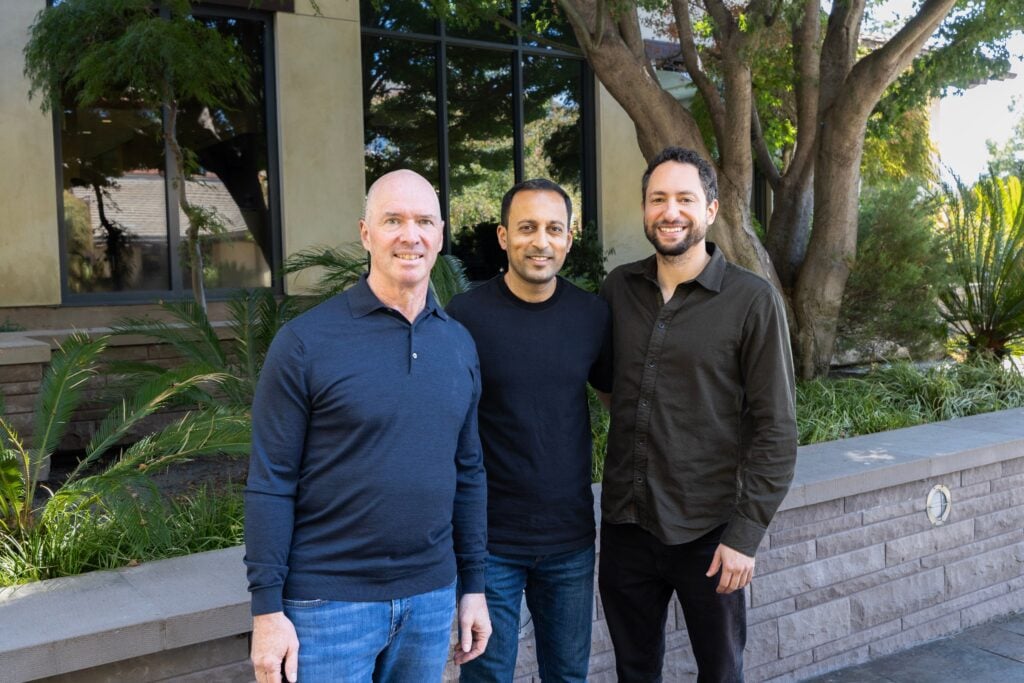
Featured photograph: Ben Horowitz, Gagan Biyani and Erik Torenberg, identified in the Academy’s press materials. Image supplied by the Horowitz Andreessen Academy.