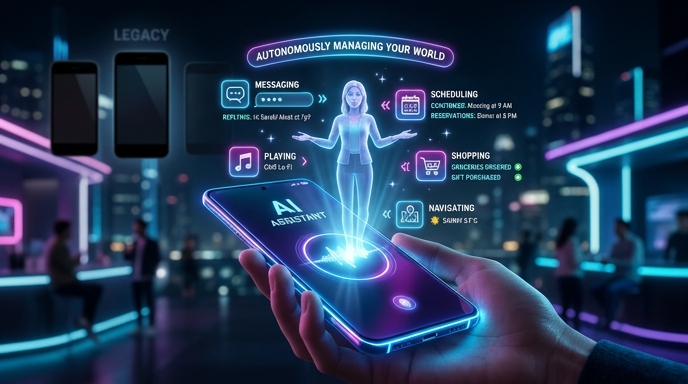
The ChatGPT maker is reportedly building its own phone, and the tech world is losing its mind over it
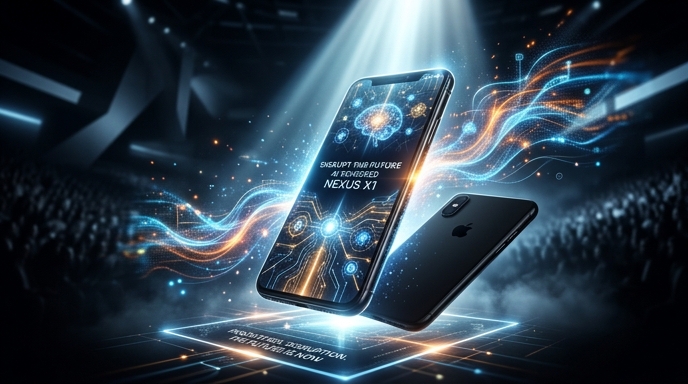
Okay, let’s be honest, we’ve all had that moment where we’re talking to ChatGPT and thought, “Man, I wish this thing was just… my phone.” Well, buckle up, because it looks like Sam Altman and the crew over at OpenAI might have had the exact same thought. And unlike most of us who just daydream about it, they’re actually doing something about it.
According to a bombshell report from 9to5Mac, OpenAI is now officially in the smartphone game, and they’re gunning straight for Apple’s crown jewel: the iPhone. Yes, you read that right. The company that gave us ChatGPT, DALL·E, and enough AI-generated content to fill the internet twice over is now setting its sights on your pocket.
Let’s break this down, because there’s a lot to unpack here.
Wait, Didn’t OpenAI Say They Weren’t Making a Phone?
Ha! Yeah, they did. For a while, the official line from OpenAI was something along the lines of, “Nope, no phone here, nothing to see, move along.” The company had been pretty vocal about focusing on AI-infused hardware that wasn’t a smartphone, think smart speakers, smart glasses, and even a smart lamp (yes, a lamp — we’ll get to that).
But here’s the thing about tech companies: they change their minds. A lot. And apparently, OpenAI has done a full 180 on the phone front.
The report that set the internet on fire came from none other than Ming-Chi Kuo, the legendary Apple analyst who has a track record of being eerily accurate about hardware rumors. Kuo dropped this gem on X (formerly Twitter):
“OpenAI is working with MediaTek and Qualcomm to develop smartphone processors, with Luxshare as the exclusive system co-design and manufacturing partner. Mass production is expected in 2028… Specifications and suppliers are expected to be finalized by late 2026 or 1Q27.”
So there you have it. OpenAI isn’t just dipping its toes in the smartphone pool, it’s doing a full cannonball. And the splash is going to be felt across the entire tech industry.
The Dream Team Behind the Phone
Let’s talk about the players involved, because this is where things get really interesting.
First up: MediaTek and Qualcomm. These are two of the biggest names in mobile chip design on the planet. MediaTek powers a huge chunk of the world’s Android phones, while Qualcomm’s Snapdragon chips are the beating heart of premium Android devices and even Apple’s own Macs use Qualcomm modems. The fact that OpenAI is reportedly working with both of them on custom smartphone processors is a massive signal that this isn’t some half-baked side project. This is a serious, well-resourced hardware push.
And speaking of Qualcomm, Bloomberg reported that Qualcomm shares actually jumped on Monday morning after the analyst note suggested the chipmaker is working with OpenAI on this phone. Wall Street loves a good AI story, and apparently “OpenAI + Qualcomm + smartphone” is the kind of sentence that makes investors reach for their wallets.
Then there’s Luxshare, the exclusive system co-design and manufacturing partner. If that name sounds familiar, it’s because Luxshare is one of Apple’s key suppliers. They make AirPods, Apple Watch bands, and various other Apple accessories. So OpenAI is essentially raiding Apple’s own supply chain to build a phone to compete with Apple. The audacity! The drama! We love it.
And let’s not forget the elephant in the room: Jony Ive. The former Apple design chief, the man responsible for the iconic look of the iMac, the iPod, the iPhone, and basically everything Apple made that made you go “ooh, pretty” has been working with OpenAI on a suite of AI hardware devices. While previous reports focused on a smart speaker, smart glasses, and that mysterious smart lamp, it now seems like the phone is very much part of the roadmap.
So What Would an OpenAI Phone Actually Look Like?
This is the question everyone’s asking, and honestly, it’s the most exciting part of this whole story.
According to Ming-Chi Kuo, the OpenAI phone won’t just be another Android device with a ChatGPT app slapped on it. The analyst believes that AI agents will fundamentally shape how this phone works and feels, making it a completely different experience from anything you’d get with an iPhone or a standard Android device.
Think about that for a second. We’re not talking about a phone that has AI features. We’re talking about a phone that is built around AI agents, software that can autonomously complete tasks, make decisions, and interact with the world on your behalf. Imagine telling your phone, “Book me a dinner reservation for Saturday, pick up my dry cleaning, and remind me to call Mom” and it just… does all of that. Without you lifting a finger. Without you opening a single app.
That’s the vision. And it’s a pretty wild one.
Sam Altman himself seemed to hint at this direction when he posted on X just a day before the report dropped:
“Feels like a good time to seriously rethink how operating systems and user interfaces are designed. (Also the internet; there should be a protocol that is equally usable by people and agents.)”
Rethinking operating systems, Rethinking user interfaces. Rethinking the internet itself. No big deal, Sam. Just a casual Tuesday.
The Agentic AI Phone: A New Category Entirely?
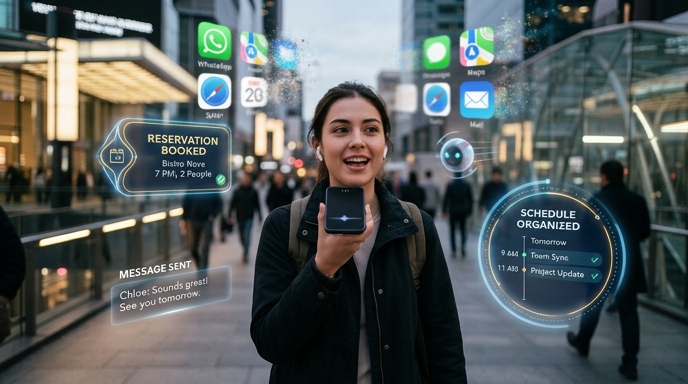
Digitimes reported that OpenAI’s so-called “agentic AI phone” could actually reshape mobile markets and supply chains by forcing incumbents, read: Apple and Google, to respond. The publication noted that success will depend on OpenAI delivering genuine interface breakthroughs and competitive cost-performance for mainstream buyers.
That’s a tall order. But it’s not impossible.
Here’s the thing: the smartphone market has been in a bit of a rut lately. Every year, we get a new iPhone or a new Samsung Galaxy, and the improvements are… fine. Better cameras. Slightly faster chips. Maybe a new color option. But nothing that makes you feel like you’re living in the future.
An AI-agent-first phone could genuinely change that. If OpenAI can deliver a device where the AI does the heavy lifting, where you interact with your phone through natural language and autonomous agents rather than tapping through menus and apps, that’s not just an incremental upgrade. That’s a paradigm shift.
Of course, paradigm shifts are easier said than done. There’s a graveyard full of companies that tried to take on the iPhone and failed spectacularly. (Remember the Amazon Fire Phone? Yeah, neither does anyone else.) One commenter on the 9to5Mac article put it bluntly: “There’s a graveyard filled with ‘iPhone competitors.'” Ouch. But also… fair.
What Does Apple Think About All This?
Apple hasn’t said anything publicly, because of course they haven’t, they never do. But you can bet that somewhere in Cupertino, there are very serious people in very expensive turtlenecks having very intense meetings about this.
The irony here is delicious. OpenAI is reportedly using Apple’s own suppliers (Luxshare), potentially working with a chip partner that also supplies Apple (Qualcomm), and is being designed by a man who spent decades at Apple (Jony Ive). It’s like Apple’s own DNA is being used to build its biggest potential rival.
And here’s another wrinkle: OpenAI and Apple actually have a partnership. ChatGPT is integrated into Siri on iOS 18. So the two companies are simultaneously collaborators and, apparently, future competitors. Welcome to the tech industry, where nothing makes sense and the business relationships don’t matter.
But Wait — Is the iPhone Even Threatened?
Not everyone is convinced that OpenAI’s phone will spell doom for Apple. Perplexity CEO Aravind Srinivas made a pretty compelling counterargument just last week, saying that “the iPhone is actually not getting disrupted by AI at all.” His take? As AI gets better, the iPhone actually becomes more valuable, because it’s the device through which people access all of this powerful AI.
It’s a reasonable point. The iPhone has an absolutely massive installed base, a deeply loyal user community, and an ecosystem of apps, services, and accessories that took decades to build. You don’t just waltz in and knock that over with a new device, no matter how cool the AI is.
But here’s the counterpoint: nobody thought a touchscreen phone from a computer company would knock Nokia off its throne either. And yet, here we are.
The smartphone industry has been disrupted before, and it can be disrupted again. The question is whether OpenAI has what it takes to do it, the design chops, the manufacturing relationships, the software ecosystem, and the sheer staying power to see a multi-year hardware project through to a successful launch.
2028: Mark Your Calendars (Maybe)
If Ming-Chi Kuo’s timeline holds, we’re looking at a 2028 mass production target for the OpenAI phone. That’s not tomorrow, it’s two years away. A lot can change between now and then. OpenAI could pivot again. The AI landscape could look completely different. Heck, we might all be using brain-computer interfaces by then (looking at you, Neuralink).
But the fact that specifications and suppliers are expected to be finalized by late 2026 or early 2027 suggests this is very much a real, active project, not just a PowerPoint dream. When you’re locking down chip partners like MediaTek and Qualcomm and manufacturing partners like Luxshare, you’re not just brainstorming. You’re building.
The Bottom Line
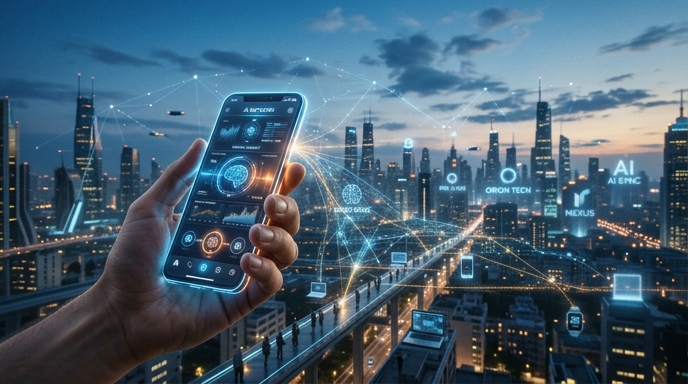
OpenAI making a phone is one of those stories that sounds crazy until you think about it for five minutes, and then it starts to sound almost inevitable. Of course the company that’s trying to build artificial general intelligence would eventually want to put that intelligence in your pocket. Of course the team that’s rethinking how humans interact with computers would want to rethink the most personal computer most of us own.
Will it succeed? Who knows. The road from “we’re building a phone” to “we sold 100 million phones” is long, treacherous, and littered with the wreckage of companies that tried and failed. But OpenAI has something most of those companies didn’t: a genuinely transformative technology, a world-class design partner in Jony Ive, serious chip partnerships with MediaTek and Qualcomm, and a CEO who clearly isn’t afraid to think big.
So yeah, move over, iPhone. There’s a new contender in town. And it’s got a lot of ChatGPT energy.
Sources: 9to5Mac | Bloomberg | Digitimes
OpenAI Hardware
AI Hardware Shift
Apple OpenAI Partnership
Apple AI Roadmap
Apple Hardware Roadmap
Apple Intelligence Hardware
The Kingy Brief
Get the next Kingy Brief.
Source-checked AI changes, original tests and one practical thing to try.
Free · Choose your subjects · Double opt-in · Unsubscribe anytime