AI image generation
Short version: Meta’s Muse Image is not just another prompt-to-picture model. It is Meta’s first image generation model from Meta Superintelligence Labs, and it is being wired directly into the places where people already post, message, remix, and advertise.
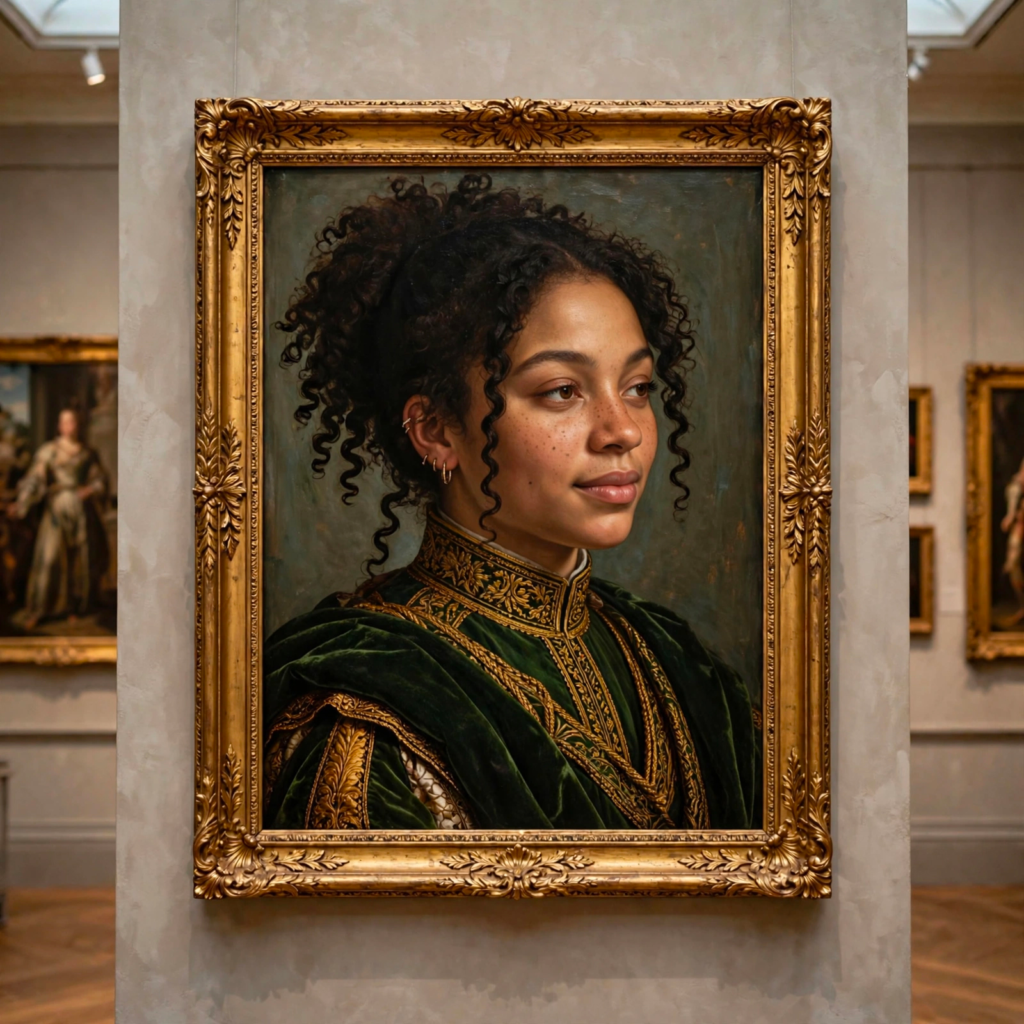
Image note: AI-generated example image from Meta Muse Image launch materials.
Meta introduced Muse Image on July 7, 2026, and made it available in Meta AI. The headline feature is simple enough: users can generate and edit images with conversational prompts. The more interesting story is where the model lives. Muse Image is meant for feeds, stories, chats, creator presets, Instagram references, WhatsApp conversations, room redesigns, and eventually advertiser workflows through Advantage+ creative.
That makes the launch different from a pure research demo or a standalone creative app. Meta is taking an image model and placing it inside distribution surfaces it already owns. If Muse Image works well, the prompt box is only the starting point. The real product is an image engine connected to social context, sharing, commerce, and ads.
Kingy verdict: Muse Image matters because Meta is optimizing for social-native generation. The model’s benchmark position is important, but the strategic move is bigger: image generation is becoming an everyday layer across Meta AI, Instagram, WhatsApp, Facebook, Messenger, and advertiser tools.
What Meta Announced
According to Meta’s announcement, Muse Image is the company’s first image generation model from Meta Superintelligence Labs. It is available in Meta AI for everyday creation, with more creation included in Meta’s subscription plans. Meta says users can download generated images and share them to a feed, story, or chat.
The initial rollout also reaches beyond the Meta AI app. Muse Image powers more than 30 new AI effects for Instagram Stories, with Instagram availability starting in the United States, and it is available for image generation in direct chats with Meta AI on WhatsApp in limited countries. Meta says more countries and more surfaces are coming, including Facebook and Messenger.
Meta’s technical blog frames Muse Image as an agentic media model. Instead of mapping a prompt directly to pixels, Meta says Muse Image can plan, use tools, search the web, write and execute code for precise outputs such as plots and QR codes, and refine its own work. It also integrates with Muse Spark, Meta’s assistant model, so the systems can plan together.
Why This Feels Very Meta
The strongest product idea in Muse Image is not “make a nice image.” That market is already crowded. The stronger idea is “make a postable image in the social context you already care about.”
Meta showed several features that point in that direction:
- Presets: suggested prompts that can restore an old family photo, preview trending hairstyles, create a claymation version of a person, or turn someone into a 16-bit video game hero.
- Photo editing: users can circle or sketch directly on an image and keep refining it in conversation without starting over.
- Multiple references: Meta says Muse Image can blend multiple visual references into a coherent result.
- Instagram context: users can @-mention Instagram accounts in the Meta AI app so public photos can inform an image, with a control setting to turn that type of use off.
- Commerce-aware redesigns: users can photograph a room and ask Meta AI to redesign it with products from the web or Facebook Marketplace.


The Agentic Claim
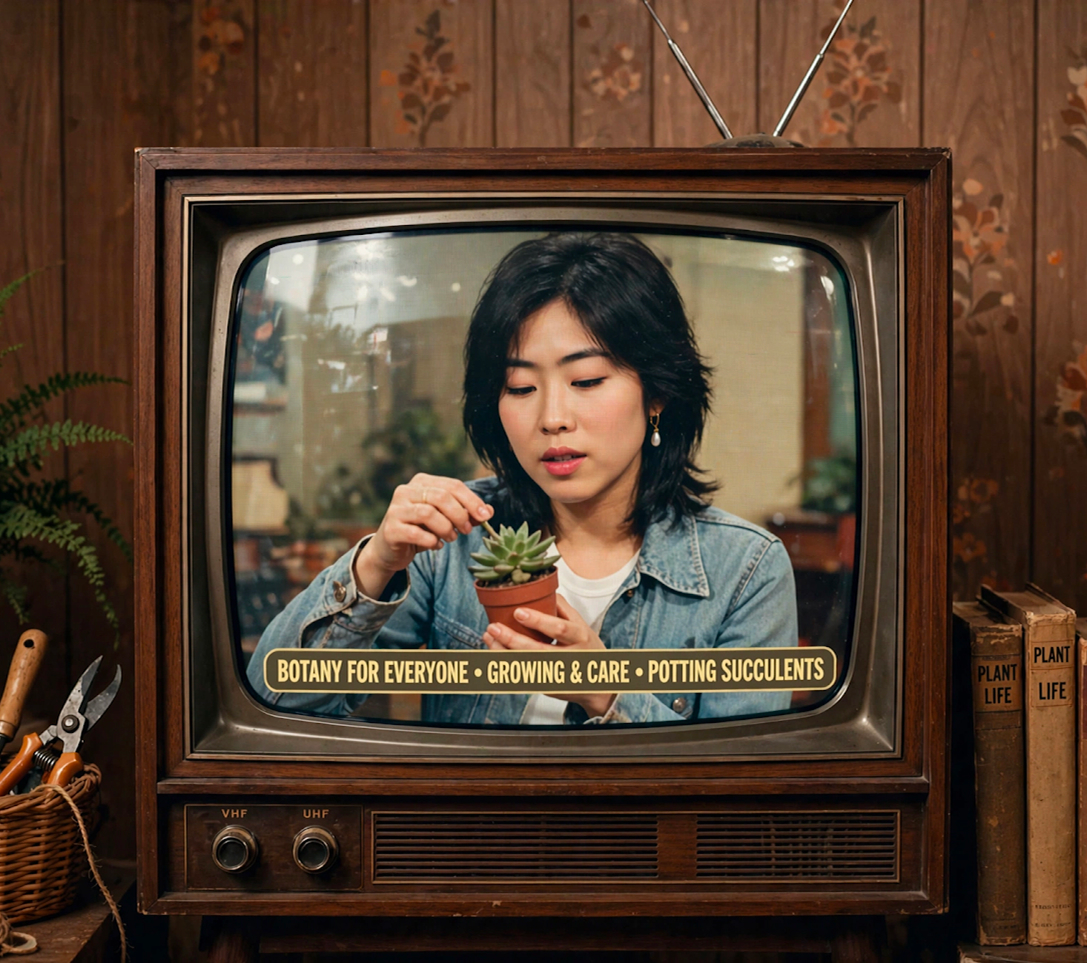
Meta is using a familiar 2026 word here: agentic. In this case, the claim is concrete enough to inspect. Meta says Muse Image can use search to ground images in current or factual context, use code to create accurate plots and QR codes, and self-refine when the first draft is not right. Meta’s research post says the self-refinement behavior emerged during reinforcement learning because it improved reward, not because engineers hand-designed the exact sequence.
That is a meaningful direction for image generation. A normal image model can create a plausible poster. An agentic image system should be better at tasks where accuracy matters: a chart, an invitation with legible text, a product concept with specific constraints, or an educational visual where small details cannot be hand-waved.
The caveat is that most of Meta’s evidence is still Meta’s own launch-day evidence. The company says Muse Image holds the No. 2 spot on Arena for text-to-image, single-image editing, and multi-image editing as of July 5, 2026. That is a strong signal, but public usage will matter more than a launch chart. The question for users is whether the model gets the first usable draft faster, not whether it produces one impressive demo under ideal conditions.
Creators Get Convenience. They Also Get New Boundaries.
Muse Image is designed to feel lightweight: tap a preset, remix a photo, post to a story, send a generated image in WhatsApp, or share a style with friends. That is exactly how AI image generation becomes mainstream. It stops being a separate tool and starts behaving like a camera filter with a brain.
The Instagram reference feature is the sensitive one. Meta says users can @-mention Instagram accounts in Meta AI so public photos from those profiles can help create an image. Meta also says people have a control setting to turn off how their content can be tagged for AI creation. That control is not a minor footnote; it is part of whether the feature feels fun, creepy, or useful.
For creators, the practical advice is simple: check the setting, understand whether your public images can be referenced, and assume that followers may soon use AI tools to generate with the visual language of your public profile. For brands and public figures, that is both a distribution opportunity and a governance problem.
The Advertiser Angle
Meta says advertisers and agencies will be able to use Muse Image through Advantage+ creative in the coming weeks. That is the monetization story hiding inside a consumer launch.
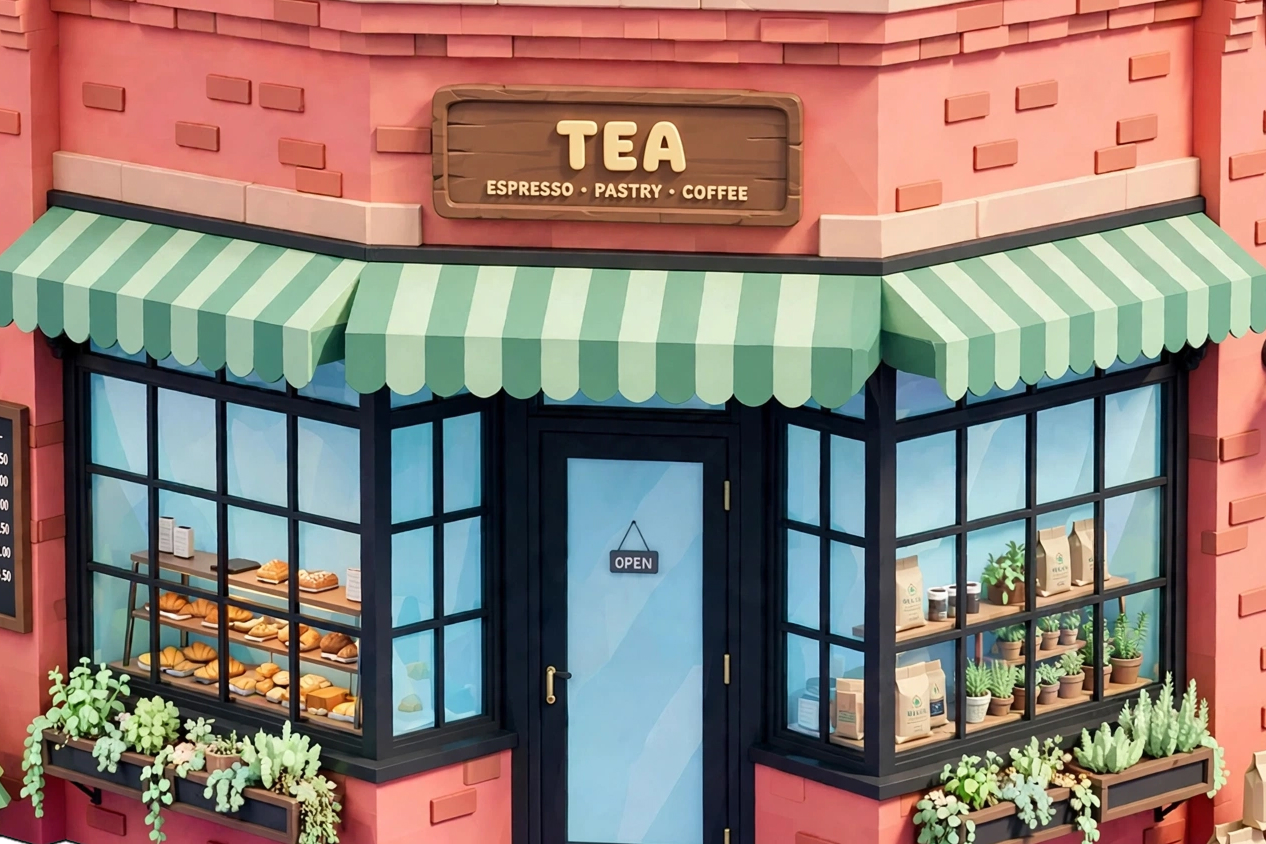
If Muse Image works inside Advantage+ creative, it could help advertisers generate more variants, adapt images across placements, localize creative, test concepts faster, and produce social-native visuals that fit the formats Meta rewards. Small businesses may care less about model architecture and more about whether a product shot, storefront, room redesign, or campaign image can be produced quickly without hiring a full creative team for every variation.
The risk is the same risk that follows most automated creative systems: faster variants do not automatically mean better brand judgment. AI can generate options. It cannot know the politics of a brand, the sensitivities of a campaign, or the difference between a useful variation and an off-brand one unless the workflow keeps humans in control.
How Muse Image Compares
| Area | What Meta Is Emphasizing | Why It Matters |
|---|---|---|
| Text-to-image quality | Muse Image ranks No. 2 on Arena for text-to-image, according to Meta’s July 5 leaderboard snapshot. | Meta can credibly say it is in the top tier, though independent day-to-day user experience will decide trust. |
| Image editing | Meta says Muse Image ranks No. 2 for single-image and multi-image editing on Arena. | Editing is more important than raw generation for social posts, product visuals, and iterative creator workflows. |
| Tool use | Muse Image can use search and code, including for factual grounding, plots, and QR codes. | This moves image generation closer to practical visual work where accuracy matters. |
| Distribution | Meta AI, Instagram Stories, WhatsApp, Facebook, Messenger, and Advantage+ creative are the target surfaces. | Meta’s advantage is not just model quality; it is owning where the generated image gets used. |
| Provenance | Muse Image includes Meta’s Content Seal invisible watermark on images created in the Meta AI app and on meta.ai. | Watermarking will matter more as AI images become ordinary content, especially if detection survives cropping, compression, resizing, and screenshots as Meta claims. |
Muse Video Is the Next Signal
Meta also previewed Muse Video, built on the same pretraining base as Muse Image and described as supporting native audio. Meta says Muse Video is coming soon to creators and Meta AI, and ranks No. 3 on Arena for text-to-video as of July 5, 2026. The company also acknowledges work remains on audio-video synchronization and physically accurate fast motion.
That preview matters because Meta’s product surfaces are increasingly video-first. Instagram Reels, Stories, ads, and creator tools all benefit from video generation more than static image generation alone. Muse Image is the opening move; Muse Video is where the competitive pressure could get sharper.
Who Should Try Muse Image First?
Creators
Use it for fast social variants, profile-safe remixes, story ideas, thumbnails, event graphics, and iterative edits. Check your Instagram AI tagging controls.
Small businesses
Test storefront concepts, room redesigns, product-scene mockups, seasonal posts, and quick campaign visuals before investing in polished production.
Advertisers
Watch the Advantage+ creative rollout. The opportunity is more variant testing; the risk is letting automation drift outside brand standards.
AI builders
Study the agentic pattern: search, code, self-refinement, multi-reference composition, and distribution-native workflows are becoming a model expectation.
Bottom Line
Muse Image is a serious launch because it joins model quality with Meta’s strongest advantage: social distribution. The model can generate images, but the product can turn those images into posts, effects, chats, commerce concepts, and ad variants.
The open questions are just as important. How good is it outside launch demos? How clearly will users understand Instagram reference controls? Will Content Seal work well enough in messy real-world sharing? And will advertiser use inside Advantage+ creative create better campaigns or just more automated creative noise?
For now, the practical answer is: try Muse Image if it is available in your region, use it where social context matters, and treat the agentic features as the part worth watching. Meta is not only chasing image generation. It is trying to make AI media generation feel native to the social internet it already runs.
FAQ
What is Muse Image?
Muse Image is Meta’s image generation and editing model from Meta Superintelligence Labs. It is available in Meta AI and powers new image tools across some Meta apps.
Where is Muse Image available?
Meta says Muse Image is available in the Meta AI app and on meta.ai, in Instagram Stories in the United States, and in WhatsApp direct chats with Meta AI in limited countries. More countries and surfaces are coming.
Is Muse Image free?
Meta says everyday creation with Muse Image in Meta AI is free. People who want to create more can access it through Meta’s subscription plans.
Can Muse Image use Instagram photos?
Meta says users can @-mention Instagram accounts in the Meta AI app so public photos can inform generated images. Meta also says users have a setting to control whether their content can be tagged for AI creation.
Does Muse Image watermark AI-generated images?
Meta says images created by Muse Image in the Meta AI app and on meta.ai include Content Seal, an invisible watermark designed to survive cropping, compression, resizing, and screenshots. Meta is also previewing a detection tool.
Sources
- Meta Newsroom: Introducing Muse Image
- Meta AI: Introducing Muse Image and Muse Video
- The Verge: Meta’s new Muse Image model can pull other Instagram users into AI photos
The Kingy Brief
Get The Kingy Brief.
AI changes, original tests and one practical thing to try. Fridays at 09:00 Vancouver time.
Free · Double opt-in · Unsubscribe anytime
Signup help and newsletter schedule
Signup form provided by Beehiiv. After submitting, check your inbox for "Confirm your subscription to The Kingy Brief" and open its confirmation link. Check Spam or Promotions if you cannot find it.
Fridays at 09:00 Vancouver time: source-checked AI changes, original tests and one practical thing to try. The weekly restart begins October 9, 2026. We skip a week when there is not enough verified material. Free. Unsubscribe anytime.