


What Exactly Is Clawdbot?
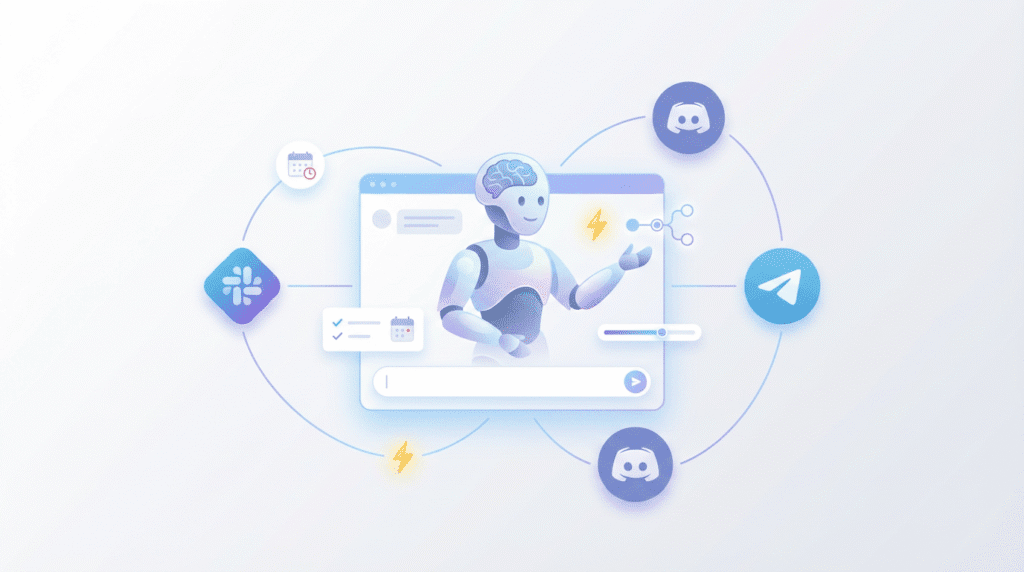
Imagine Siri that actually does things for you not just answers questions. That’s Clawdbot in a nutshell. It’s an open-source, personal AI assistant that runs on your own machine or server and connects to the chat apps you already use. You talk to it via WhatsApp, Telegram, Slack, Discord, iMessage, and more and it acts. Really acts.
Unlike cloud-only assistants, Clawdbot lives on your hardware. That means your data stays with you, not elsewhere. It handles real tasks: clearing your inbox, managing your calendar, watching for important events, and even automating workflows.
And it’s gaining traction fast. GitHub stars shot into the tens of thousands in just a few days, a pace rarely seen in open-source projects.
Clawdbot is sometimes dubbed a “24/7 Jarvis,” because it doesn’t sleep and it remembers context over long periods something most assistants don’t do.
In short: Clawdbot is an AI with agency, not just a chatbot.
The Origins Who Built It?
Clawdbot didn’t come from a big corporation. It was created by Peter Steinberger, an experienced developer known in the tech world. His goal was simple: build an AI assistant that actually helps with daily tasks and remembers you over time.
Steinberger’s vision was personal. He wanted something that felt like a reliable coworker, not another app open in a browser tab. That’s why Clawdbot runs on your machine and connects with messaging platforms bringing your assistant into the spaces you already live in.
The project exploded onto the scene in late 2025 and early 2026. It surged through tech forums, social media, and developer communities. Within weeks, Clawdbot amassed huge community interest including thousands of GitHub stars and a lively Discord group.
Many developers aren’t just users they contribute code, share skills, and improve the project. That’s a hallmark of successful open-source software.
How It Works Under the Hood
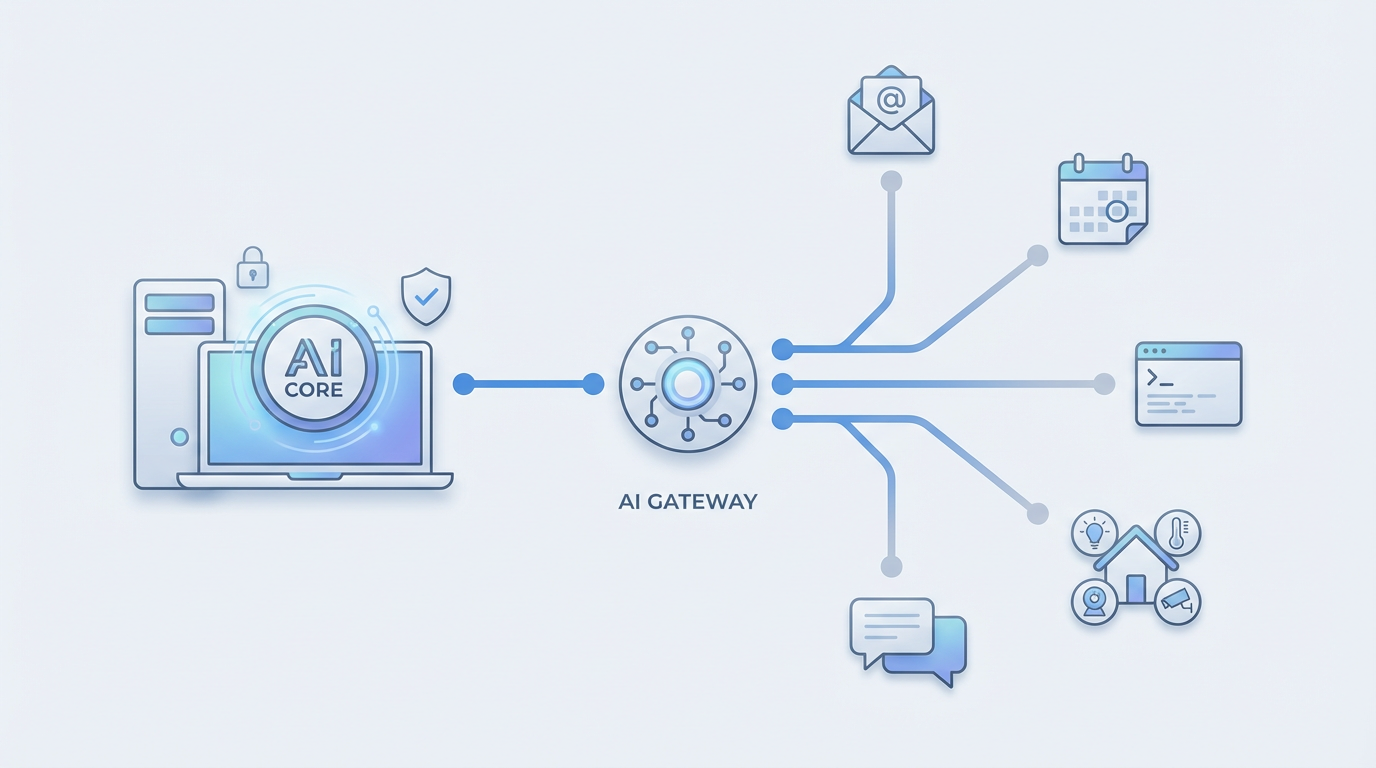
Here’s where it gets interesting. Clawdbot isn’t just a “smart chat.” It’s built as a local agent gateway that links powerful language models (like Anthropic’s Claude) to your system and messaging tools. (
It runs a background service a gateway that stays alive. This gateway listens for messages and turns them into meaningful tasks. It then executes actions like:
- Sending emails
- Scheduling events
- Running terminal commands
- Accessing files
- Controlling smart home devices (Clawdbot)
This is much more than a text-in, text-out interaction. Clawdbot acts. It sends reminders at the right time. It checks calendars. It can do proactive nudges like telling you something before you ask. (
The whole system is extensible. Developers build skills modules that let the assistant perform new tasks. These can be plugged in over time.
In essence, Clawdbot is a bridge between language understanding and real-world action.
Why People Are Obsessed
There’s a reason Clawdbot is everywhere on social media and GitHub right now.
First, persistent memory. Most assistants forget once the session ends. Clawdbot remembers preferences, context, and past interactions. That’s huge.
Second, autonomy. It doesn’t just wait for you to tell it what to do. It can nudge you when something matters like reminders or alerts without you asking first.
Third, real action. Email, contracts, smart homes Clawdbot doesn’t just suggest anymore. It operates.
And because it’s open source, anyone can peek at the code, tweak it, or help it grow. People love that. It feels more like your own tool rather than a locked-down service.
The hype isn’t just noise, either. There are real stories of people automating workflows that used to take hours.
Whether you love tinkering or you’re just curious, Clawdbot promises something fresh: your AI assistant, your rules.
Not All Sunshine Watch the Risks
Hold up. Clawdbot isn’t perfect. And it isn’t designed for everyone.
Since it runs locally and has deep integration with your system, it also increases your security exposure if you’re not careful. Misconfigured instances can leak sensitive things like API keys or private data.
Security researchers have found that hundreds of Clawdbot gateways exposed online without authentication pose serious risks. That’s a red flag for casual users.
There are also cost considerations. Running continuous large language model requests can use lots of tokens which may lead to higher API costs if you’re using paid services like Claude or OpenAI.
And setup? It’s technical. Clawdbot expects some level of developer skill Node.js, environment configs, gateways, and more. That’s not a “one-click install” for everyone.
So while the hype is real, the complexity and security responsibility mean you should approach with eyes open.
Real User Experiences
People in the tech community aren’t just talking they’re building.
Users share stories of Clawdbot scheduling meetings, drafting emails automatically, and even managing home devices based on voice commands through platforms like Telegram.
One developer reported giving the assistant a name, personalizing it to their routines, and watching it remember preferences over days and weeks.
Others are experimenting with long-term workflows like daily briefings, automatic report generation, and creative integrations into productivity stacks.
The community grows every day. Thousands engage in Discord channels. Hundreds contribute skills. It’s a lively ecosystem for something barely months old.
For DIY tech enthusiasts, it’s like building your own digital coworker.
Looking Ahead — What’s Next?

Clawdbot’s story is just beginning. Its rapid rise suggests this could be a turning point for how individuals and teams interact with AI.
Open-source assistants like this could challenge the hegemony of cloud-centric AIs. They give control back to the user privacy, customization, presence on your own hardware.
We’ll likely see more deep integrations, more community skills, and maybe even companion mobile apps or voice modes that let you leave your keyboard behind.
As hardware gets cheaper and models get better, local agents may become mainstream.
The big question will be: can Clawdbot keep its balance between power and safety? Time and the community will tell.
Sources
- What Is Clawdbot? The Personal AI Assistant Everyone Is Talking About — Theory & setup details: https://wavespeed.ai/blog/posts/what-is-clawdbot-personal-ai-assistant (WaveSpeed AI)
- Clawdbot — Personal AI Assistant official site: https://clawd.bot/ (Clawdbot)
- Clawdbot GitHub growth reports: https://www.reddit.com/r/ArtificialInteligence/comments/1qn3krp/clawdbot_an_opensource_personal_ai_assistant/ (Reddit)
- Clawdbot news about viral surge: https://eu.36kr.com/en/p/3655938014093701 (eu.36kr.com)
- Clawdbot security concerns: Hundreds of exposed gateways: https://cybersecuritynews.com/clawdbot-chats-exposed/ (Cyber Security News)
- Why people are obsessed — context & features: https://ucstrategies.com/news/what-is-clawdbot-and-why-everyone-is-suddenly-obsessed-with-it/ (UC Strategies)
- Real user experiences on future of assistants: https://www.macstories.net/stories/clawdbot-showed-me-what-the-future-of-personal-ai-assistants-looks-like/ (MacStories)






I’ve been experimenting with Clawdbot for a few weeks now and I’m really impressed by how it actually executes tasks rather than just chatting. One thing that surprised me was how quickly it handled my inbox and calendar without me needing to step in, which reminded me of the early days of using a personal assistant. The fact that it runs locally and can integrate with the platforms I already use makes it feel more like a genuine teammate than a cloud service. If you’re looking to expand its capabilities, I found the openclaw skills directory to be a goldmine of community‑built modules that you can drop in and customize for your own workflows. Beyond the basic skills, the directory also showcases examples of integrations with smart home devices and terminal commands, which helped me automate a few daily routines without much coding. Overall, Clawdbot’s open‑source nature and the thriving community give it a lot of promise, but I do keep an eye on the security notes to avoid exposing my gateway.