The smart home company ventures into wearable AI territory with a device that promises to be your “second brain”
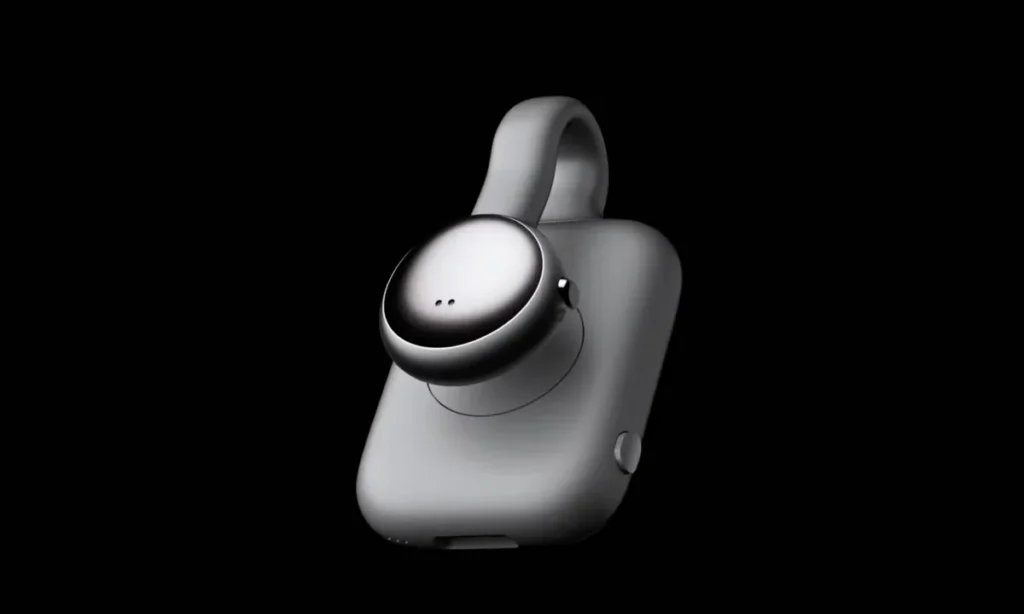
The world of AI-powered wearables just got a little more crowded. SwitchBot, a company best known for its smart home automation gadgets, has thrown its hat into the ring with the AI MindClip—a lightweight, clip-on device designed to capture, transcribe, and organize your conversations without you lifting a finger.
Unveiled at CES 2026 in Las Vegas, the MindClip represents SwitchBot’s first foray into the increasingly competitive AI note-taking market. But can it stand out in a space already occupied by established players like Anker, Plaud, and Pebble?
What Exactly Is the SwitchBot AI MindClip?
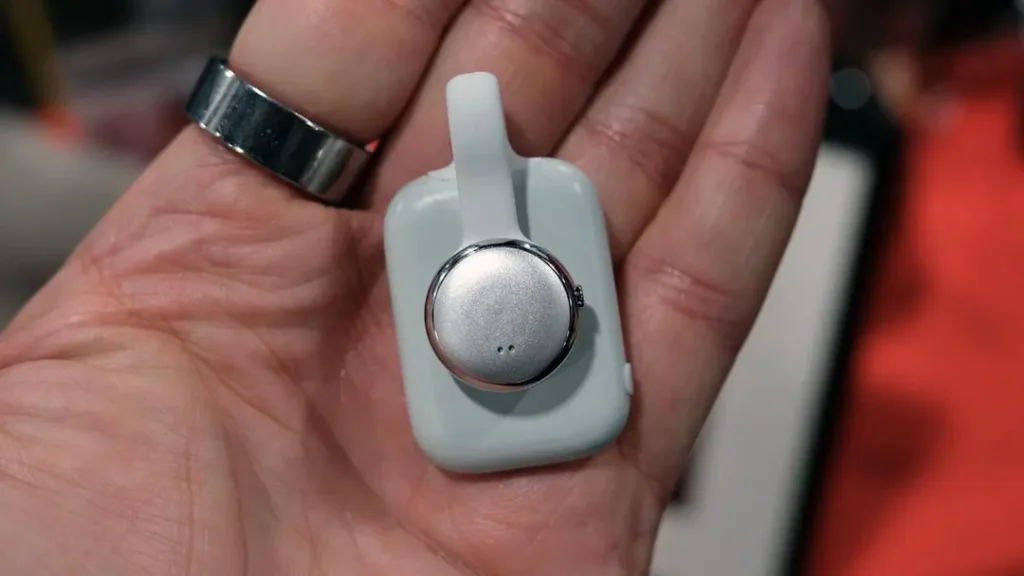
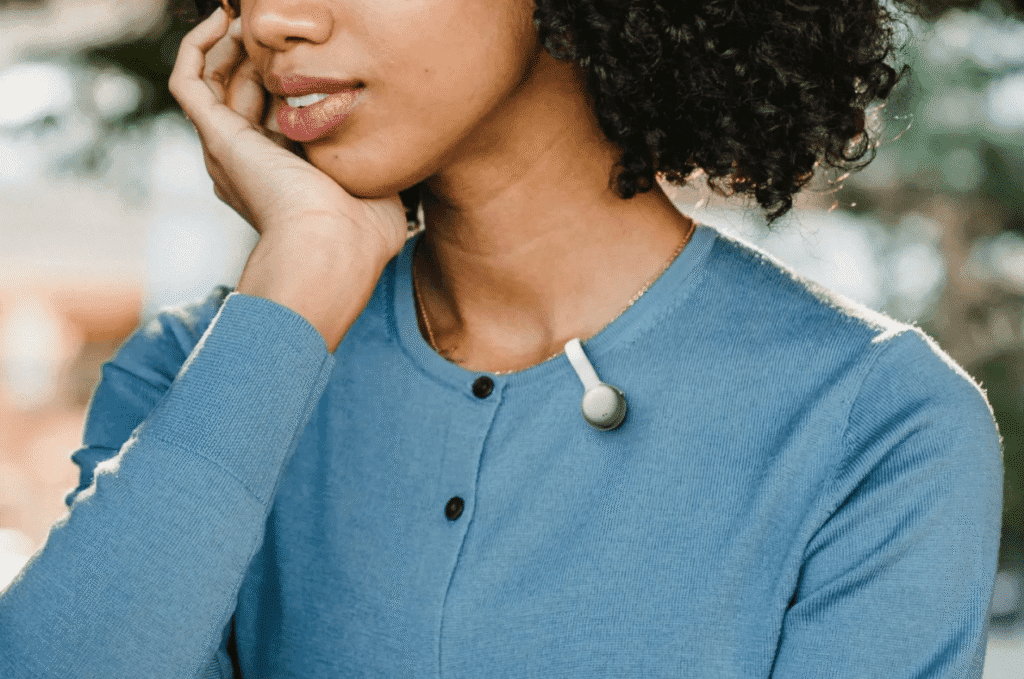
Think of it as a tiny personal assistant that clips onto your collar or lapel. The MindClip is essentially a wearable microphone that records voice notes, conversations, and meetings, then uses artificial intelligence to transform those recordings into something actually useful.
At just 18 grams (0.6 ounces), it’s lighter than most smartwatches. You probably won’t even notice it’s there. The device looks remarkably similar to Anker’s Soundcore Work, which makes sense—both are targeting the same audience of professionals, students, and anyone who’s ever scrambled to remember what was said in an important meeting.
SwitchBot is marketing the MindClip as a “second brain.” That’s a bold claim. But the concept is straightforward: instead of frantically typing notes or trying to remember key details from conversations, you let the device do the heavy lifting. It records everything, transcribes it, and organizes it into searchable memories.
How Does It Actually Work?
The magic happens through a combination of hardware and cloud-based AI processing. When you’re wearing the MindClip, it continuously listens and records audio. Later, you can access those recordings through a companion app.
But here’s where things get interesting. The device doesn’t just store raw audio files. It uses AI to generate summaries, create to-do lists, and extract key information from your recordings. Need to remember what your boss said about that project deadline? Just ask the MindClip using voice commands.
According to Digital Trends, you can “retrieve past discussions, reminders, or learning materials using voice commands, or ask questions related to the recordings.” That’s a game-changer for anyone who’s ever wished they could search through their memories like a Google search.
The device supports over 100 languages, which gives it a significant advantage over some competitors. Plaud’s NotePin, for instance, only supports 59 languages. In our increasingly globalized world, that extra language support could make all the difference for international teams and multilingual users.
The Subscription Catch
Here’s the part that might make you pause: most of the MindClip’s advanced features require a subscription to SwitchBot’s cloud AI service. The company hasn’t revealed pricing details yet, but this subscription model is becoming standard in the AI wearable space.
It’s a familiar pattern. Plaud, Bee, and Anker’s Soundcore Work all use similar subscription-based approaches. The hardware gets you in the door, but the real functionality the AI-powered transcription, summarization, and search capabilities lives behind a paywall.
Is it worth it? That depends on how much value you place on never forgetting important information. For professionals who attend multiple meetings daily, the subscription cost might be negligible compared to the productivity gains. For casual users, it might be a harder sell.
Who’s the Competition?
The AI note-taking device market has exploded over the past year. SwitchBot is entering a space that’s already pretty crowded.
Anker’s Soundcore Work is probably the MindClip’s closest competitor. The two devices look similar and offer comparable functionality. Both clip onto your clothing and promise hands-free note-taking.
Plaud’s NotePin takes a slightly different approach with its pin-style design. It’s been on the market longer and has built up a user base, but its language support lags behind the MindClip.
Pebble’s Index 01 is perhaps the most ambitious competitor. It’s a smart ring that not only captures notes but also lets you set reminders, create calendar events, and trigger smart home commands. You can even use it to control music playback or take photos. It’s trying to be more than just a note-taking device it’s positioning itself as a comprehensive wearable controller.
Then there are the devices that tried to do too much. Remember the Humane Pin? It attempted to replace smartphones entirely and… well, that didn’t go so well. The Rabbit R1 has also faced its share of challenges recently.
The lesson seems clear: AI wearables work best when they focus on doing one thing really well. Note-taking and conversation recording appear to be the sweet spot.
Why AI Note-Taking Devices Are Having a Moment
You might be wondering why we’re suddenly seeing so many of these devices. The answer lies in the convergence of several technologies.
First, AI transcription has gotten really good. Services like OpenAI’s Whisper can now transcribe speech with remarkable accuracy, even in noisy environments. That’s the foundation these devices are built on.
Second, cloud computing has made it possible to offload the heavy processing to remote servers. Your tiny clip-on device doesn’t need a powerful processor it just needs to record audio and send it to the cloud for analysis.
Third, battery technology has improved to the point where these small devices can run all day without needing a charge. Nobody wants to wear a device that dies halfway through an important meeting.
Finally, there’s a genuine need for better note-taking solutions. Traditional methods pen and paper, typing on a laptop are disruptive and incomplete. You can’t capture everything that’s said while simultaneously participating in a conversation. AI wearables solve that problem.
The Privacy Question Nobody’s Asking (But Should Be)
Here’s something that doesn’t get discussed enough: these devices are always listening. That’s literally their job. But what happens to all that audio data?
SwitchBot hasn’t released detailed information about its privacy policies yet. But this is a crucial question for any AI recording device. Who has access to your recordings? How long are they stored? Can the company use your data to train its AI models?
These aren’t hypothetical concerns. We’ve seen numerous examples of tech companies mishandling user data. When that data includes recordings of private conversations, the stakes are even higher.
Before buying any AI note-taking device, you should carefully review the privacy policy. Look for clear answers about data storage, encryption, and third-party access. If the company can’t provide straightforward answers, that’s a red flag.
What’s Missing from the MindClip?
Based on the information available so far, there are some notable gaps in what we know about the MindClip.
Battery life hasn’t been disclosed. For a device you’re supposed to wear all day, that’s a pretty important detail. Anker’s Soundcore Work offers about 8 hours of continuous recording, which is decent but not amazing. Where does the MindClip fall?
Storage capacity is another unknown. Can the device store recordings locally if you don’t have an internet connection? Or does it require constant cloud connectivity?
The companion app experience is also a mystery. A great device can be ruined by a terrible app. We’ll need to see reviews from actual users before we know whether SwitchBot has nailed the software side of things.
And of course, there’s no pricing information yet. That’s going to be a major factor in whether the MindClip succeeds or becomes just another forgotten gadget.
The Bigger Picture: Where Are AI Wearables Headed?
The MindClip is part of a larger trend toward ambient computing technology that fades into the background of your life while still providing value.
We’re moving away from devices that demand your attention (like smartphones) toward devices that work quietly in the background. AI wearables are at the forefront of this shift.
Tom’s Guide notes that while AI audio recorders are currently the most successful category, companies are experimenting with other types of AI wearables. There are “AI friendship” devices like Friend, which interact with you throughout the day. There are rumored projects from OpenAI that could bring entirely new categories of AI devices to market.
The next few years will likely see an explosion of AI wearable innovation. Some devices will succeed. Many will fail. The ones that survive will be those that solve real problems without creating new ones.
Should You Buy the SwitchBot AI MindClip?
That’s the million-dollar question, isn’t it? Unfortunately, we don’t have enough information yet to give a definitive answer.
If you’re an early adopter who loves trying new technology, the MindClip might be worth checking out when it launches. SwitchBot has a solid reputation in the smart home space, which suggests they know how to build reliable hardware.
If you’re someone who attends a lot of meetings, conducts interviews, or needs to capture conversations for work, an AI note-taking device could genuinely improve your productivity. The question is whether the MindClip is the right one for you.
Wait for reviews. See what real users say about battery life, transcription accuracy, and the overall experience. Compare it to competitors like the Anker Soundcore Work and Plaud NotePin. And definitely factor in the subscription cost when making your decision.
The Bottom Line
SwitchBot’s AI MindClip represents the company’s ambitious entry into the AI wearable market. It’s a lightweight, multilingual device that promises to capture and organize your conversations with minimal effort on your part.
The concept is solid. The execution remains to be seen. With over 100 language support and the backing of an established smart home company, the MindClip has potential. But it’s entering a competitive market where several players have already established themselves.
The success of the MindClip will ultimately depend on three factors: price, performance, and privacy. If SwitchBot can deliver a device that’s affordable, accurate, and respectful of user data, they might have a winner on their hands.
For now, we wait. CES 2026 has given us a glimpse of what’s coming, but the real test will come when the device reaches consumers’ hands. Will the MindClip become an essential tool for professionals and students? Or will it join the growing pile of AI gadgets that promised the world but delivered disappointment?
One thing’s for certain: the race to build the perfect AI note-taking device is heating up. And that competition is good news for consumers. Whether you choose the MindClip or one of its competitors, you’ll have more options than ever for capturing and organizing the information that matters most to you.
The future of note-taking is here. It’s small, it’s smart, and it clips right onto your shirt.
Sources
- Digital Trends: SwitchBot’s new MindClip is another device aiming to change how you take notes
- Tom’s Guide: SwitchBot’s new AI audio recorder promises to organize your conversations — here’s how it’ll work
Continue Reading
- OpenAI’s Bold Move: The Future of AI Devices and the End of Smartphones
- VoicePen Transcription App: Transcribe Meetings Fast
- ICYMI CES 2025: A Comprehensive Look at the Future of Tech
- The Ultimate Guide to AI Life Organization: Tools, Benefits, and Strategies for 2025
Latest News
- Amazon Acquires Bee AI: A Strategic Move Into Ambient Intelligence
- CES 2026 Highlights: How AI Is Transforming Homes, Cars, and Everyday Tech
Recent Launches
Related Companies
The Kingy Brief
Get The Kingy Brief.
AI changes, original tests and one practical thing to try. Fridays at 09:00 Vancouver time.
Free · Double opt-in · Unsubscribe anytime
Signup help and newsletter schedule
Signup form provided by Beehiiv. After submitting, check your inbox for "Confirm your subscription to The Kingy Brief" and open its confirmation link. Check Spam or Promotions if you cannot find it.
Fridays at 09:00 Vancouver time: source-checked AI changes, original tests and one practical thing to try. The weekly restart begins October 9, 2026. We skip a week when there is not enough verified material. Free. Unsubscribe anytime.