Aspect-ratio field guide
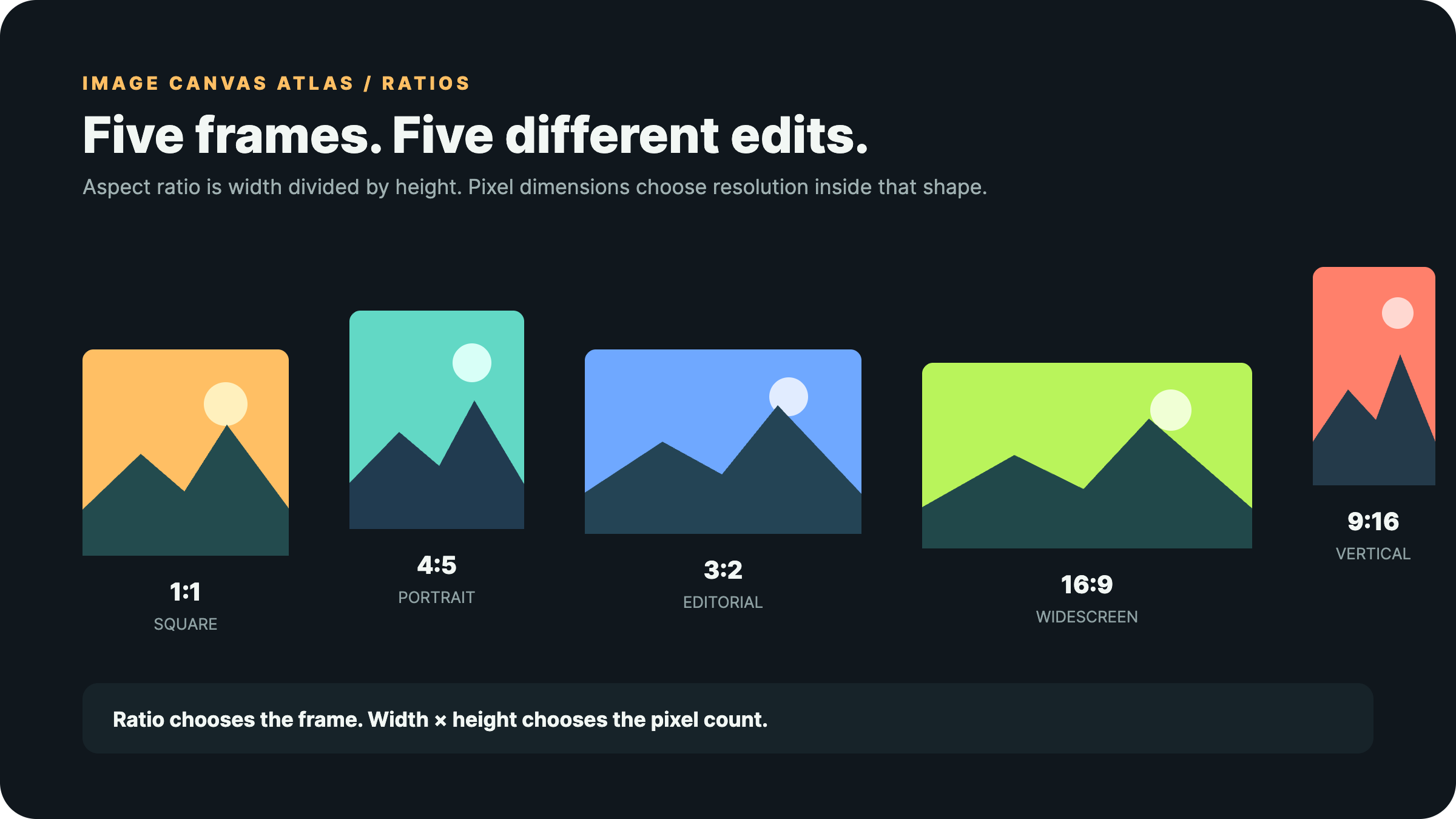
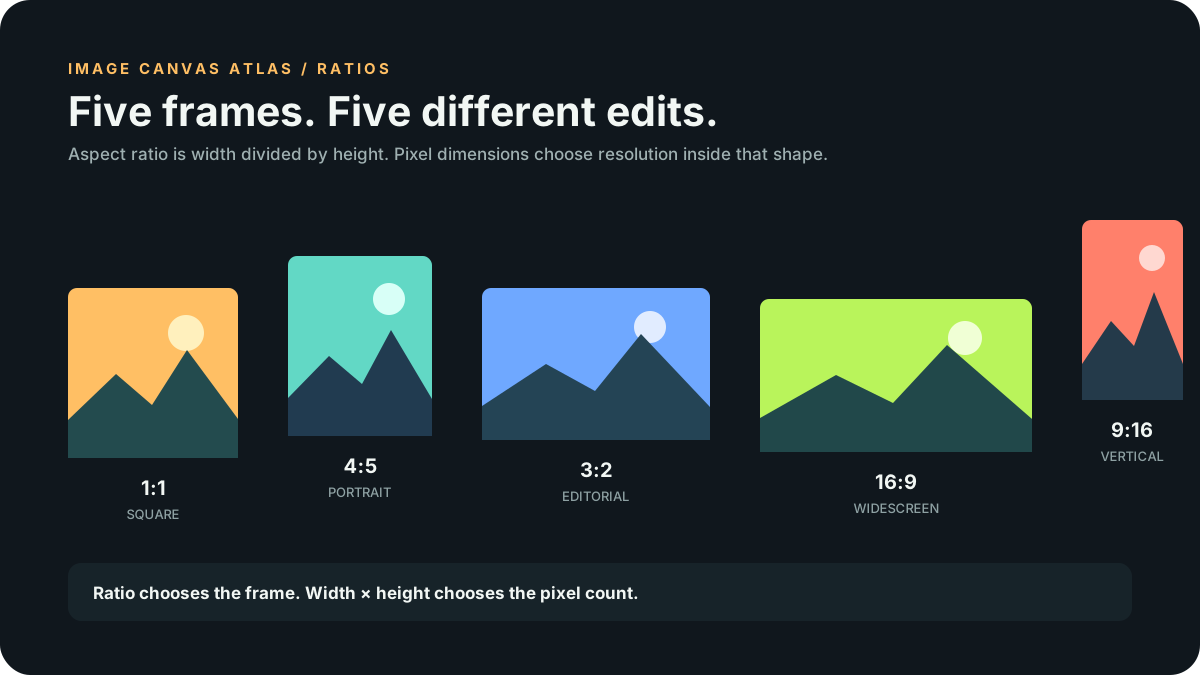
Fast visual comparison of 1:1, 4:5, 3:2, 16:9, and 9:16.
CROP WITH THE NUMBERS VISIBLE
An output size is more than a ratio. It decides which source pixels survive, whether new pixels must be invented, and how large the result prints at a chosen resolution.
DEFINE THE TRANSFORM
Source presets
Position changes which pixels survive. It does not change the amount cropped.
LIVE COVER CROP
The source and target ratios match, so the whole source frame survives.
Geometry, not a quality score. This model calculates pixel-area crop and resampling scale. It cannot predict the visual quality of an upscale, printer, paper, image content, or model output.
THE MECHANISM
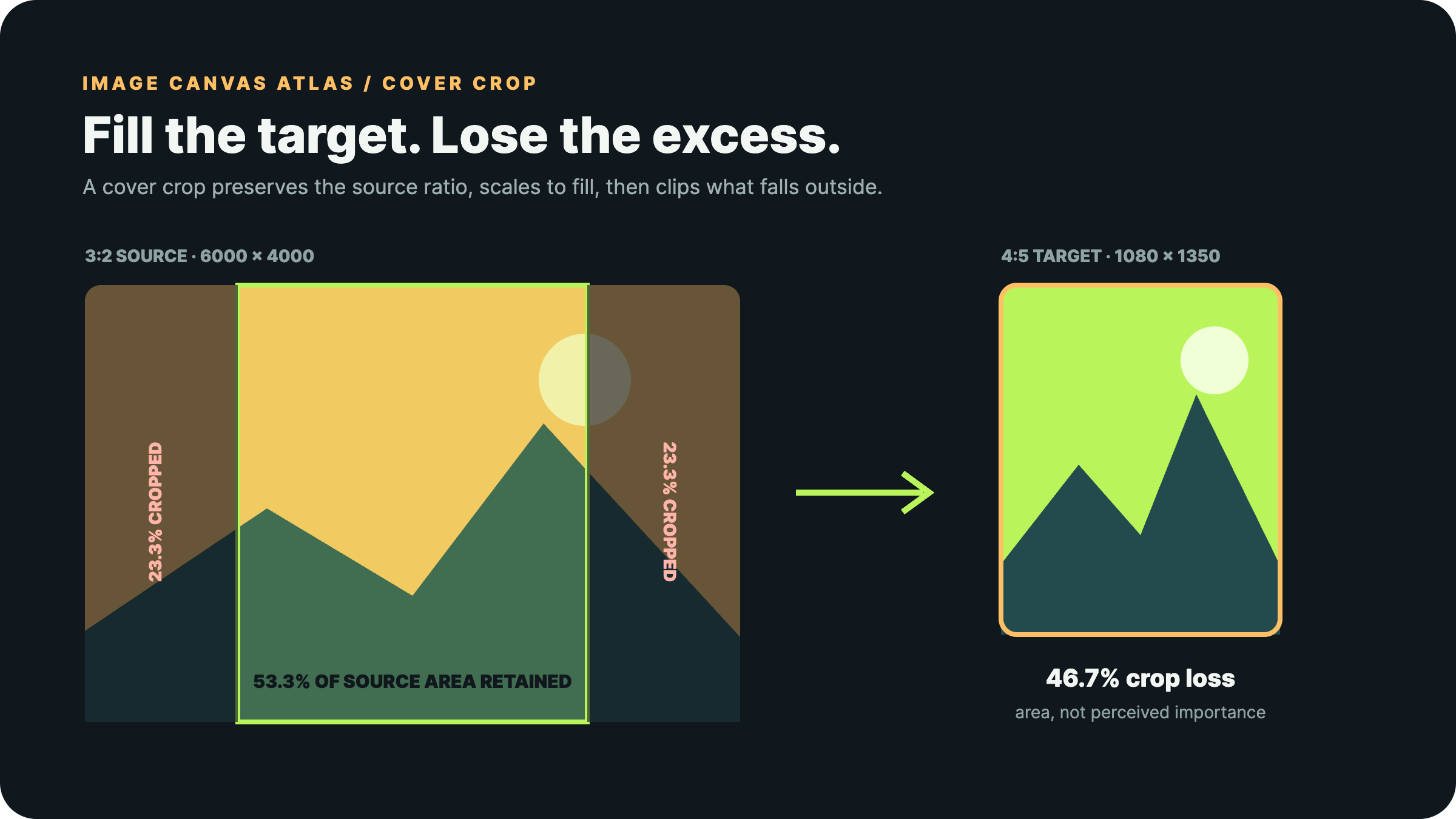
A cover crop preserves the source aspect ratio while scaling it until the entire target is filled. If the ratios differ, the excess width or height falls outside the target frame.1
The calculator finds the largest source rectangle with the target ratio, divides its area by the original source area, and reports the discarded share. The surviving rectangle is then scaled to the requested pixel dimensions. A scale above 1× requires upsampling.
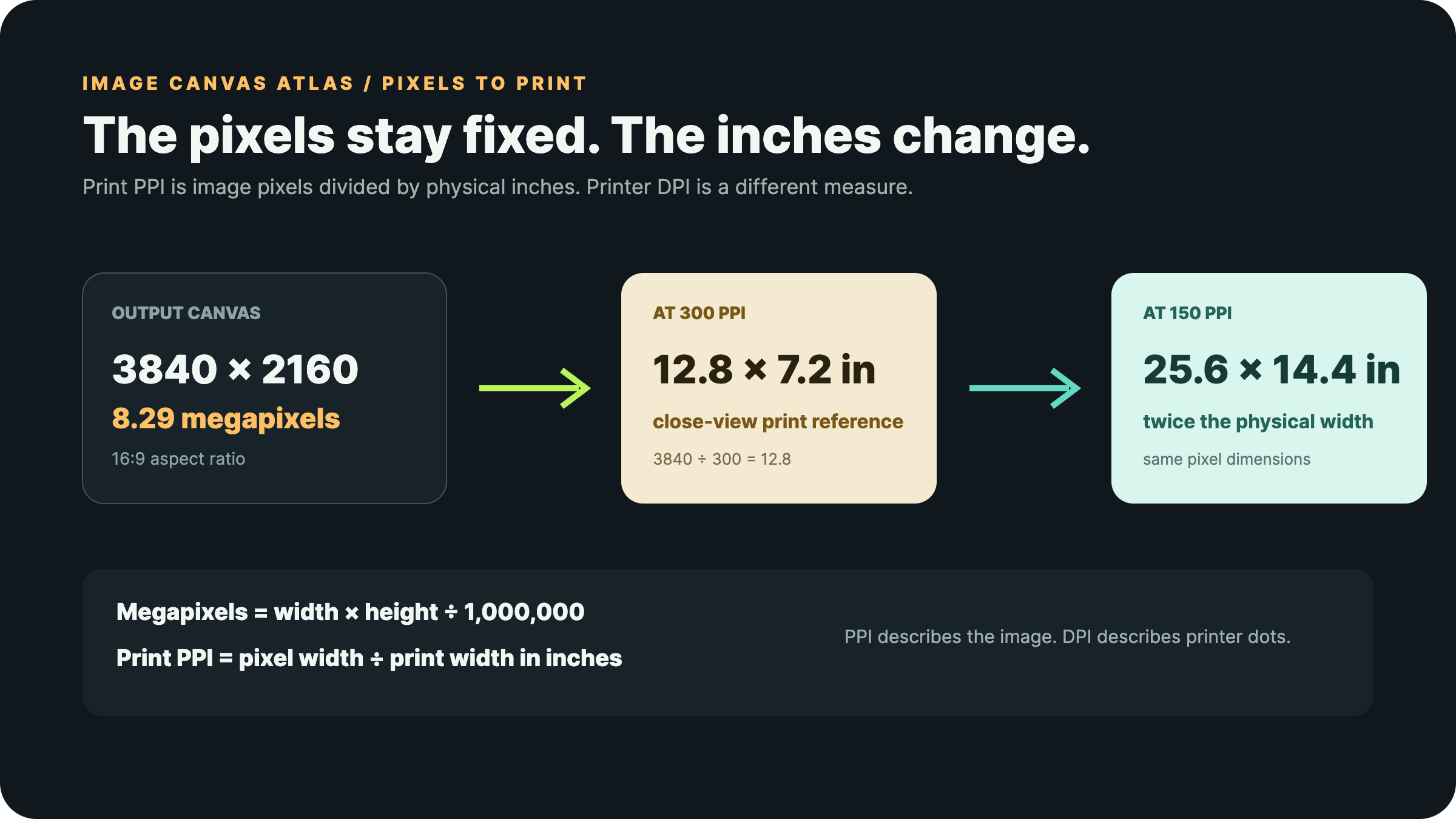
Print resolution is pixels divided by physical inches. PPI describes image resolution; printer DPI describes output-device dots and is a different measure.2 The 300 PPI field is an editable reference because viewing distance and output process change what is sufficient.3
OPEN ASSET FACTORY
Every graphic carries its own assumptions and is delivered as editable SVG plus a 2400×1350 PNG.
Fast visual comparison of 1:1, 4:5, 3:2, 16:9, and 9:16.
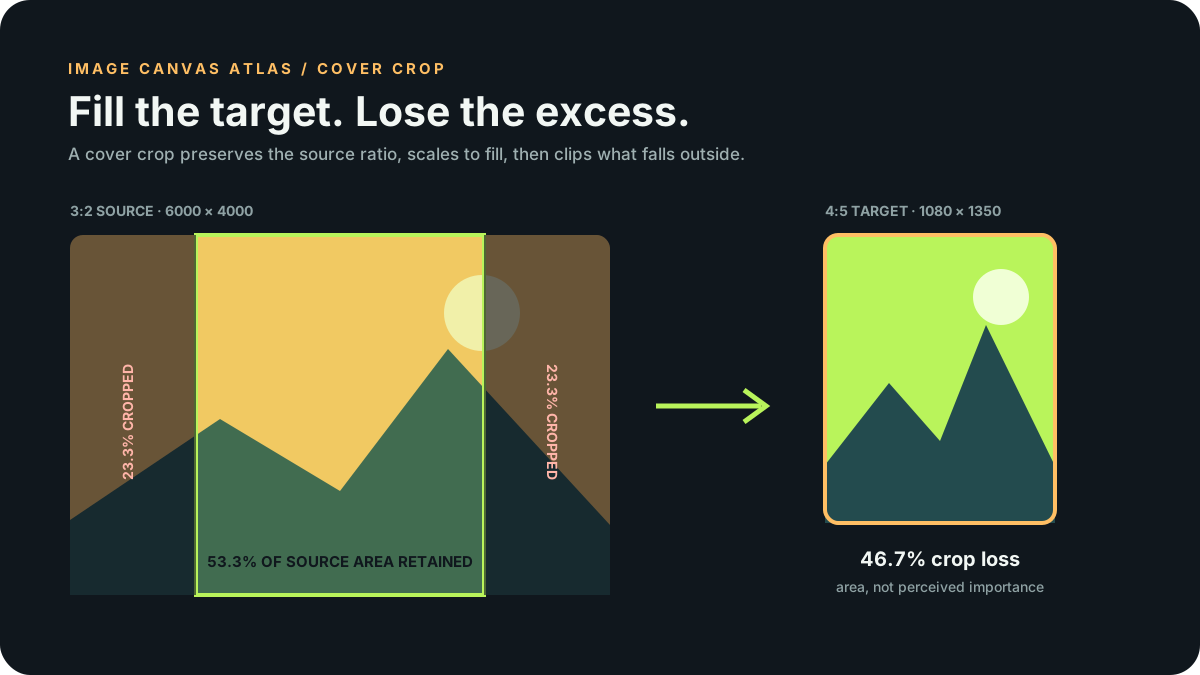
The geometry behind filling a target without stretching the source.
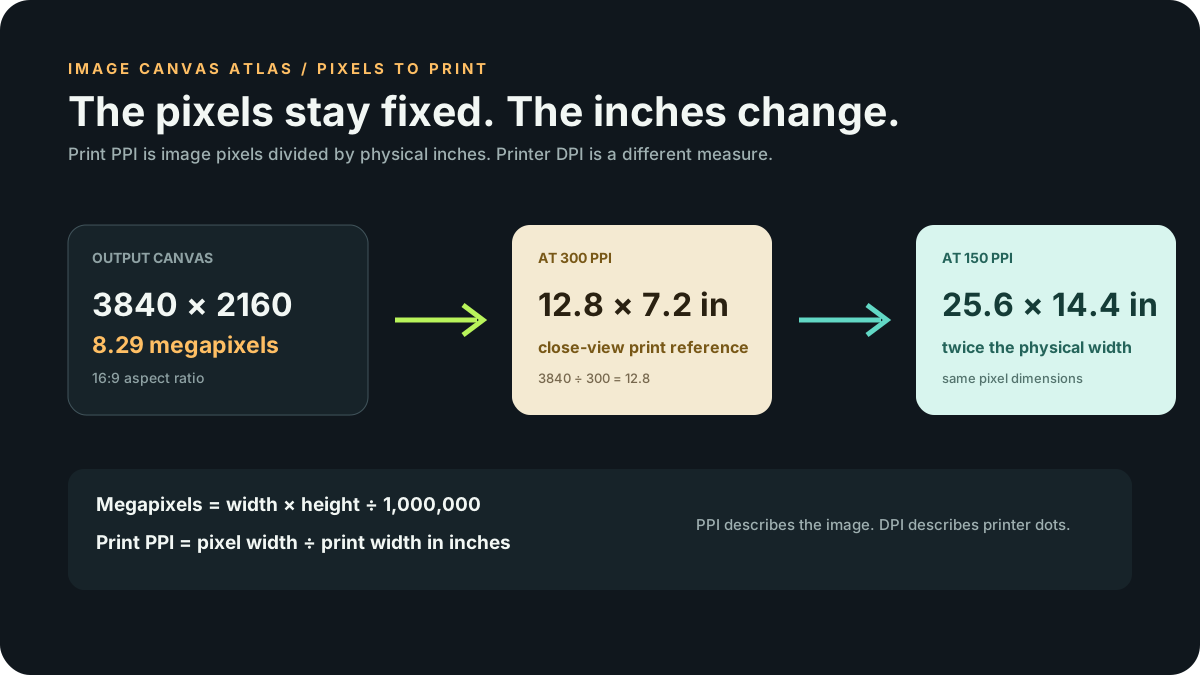
CLAIM LEDGER · CHECKED 2026-09-07
Cover preserves ratio and fills the box. The W3C defines a cover constraint as the smallest rectangle with the source's preferred aspect ratio that is no smaller than the target on either axis. Primary source ↗
PPI and DPI are different measures. Adobe distinguishes image pixels per inch from printer dots per inch and relates pixel dimensions, physical size, and print resolution. Primary source ↗
300 PPI is a reference, not a law. Adobe calls 300 PPI an industry standard for close-viewed high-quality prints while noting that lower resolution can work at larger viewing distances. Primary source ↗
Dated platform presets. YouTube currently recommends 3840×2160 and 16:9 for video thumbnails, and 2160×3840 and 9:16 for Shorts thumbnails. Primary source ↗
Kingy editorial presets. Square, 4:5 portrait, 3:2 editorial, and generic 16:9/9:16 canvases are teaching shortcuts. They are not claims about any platform or image model. Their provenance is explicit in presets.json.